
Vertical Solar PV Poles
Square Shape Vertical Solar PV Poles
Round shape vertical Solar PV poles
Solar Street Lights
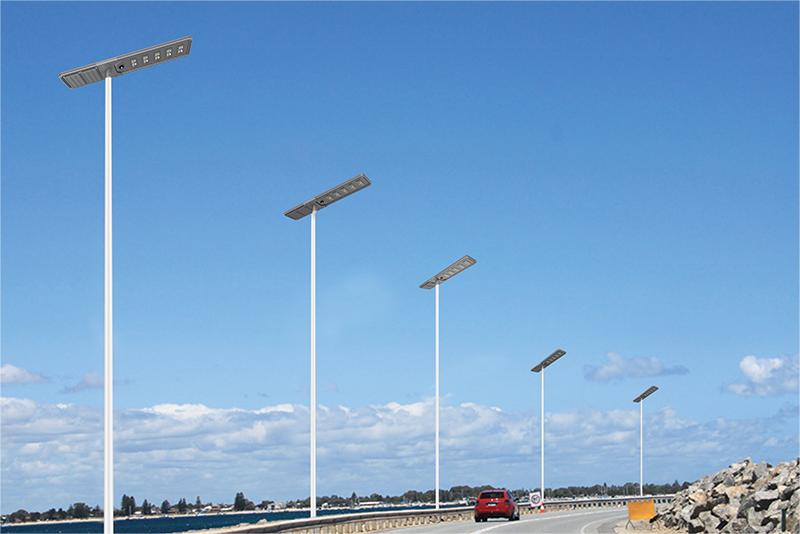
16-20M Four-lane Road LED Solar Street Light
7-8M Two-lane Road LED Solar Street Light
3-5M Single Lane LED Solar Street Light
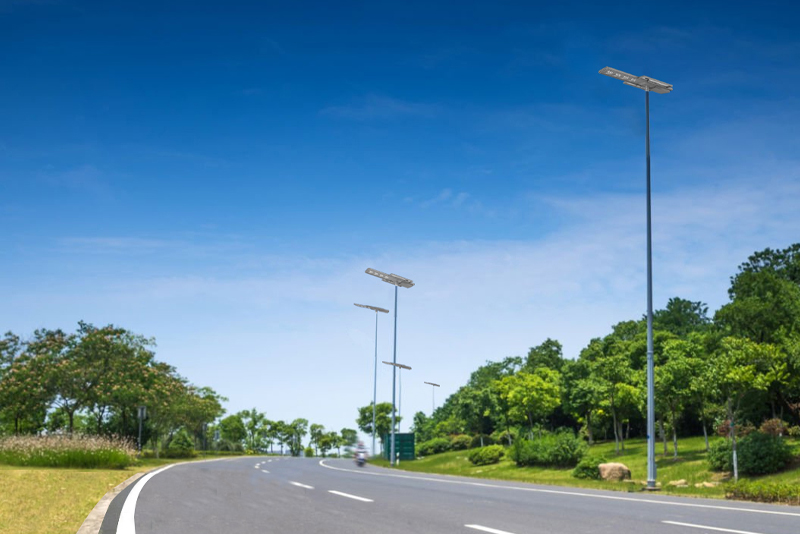
Solar Garden Lighting
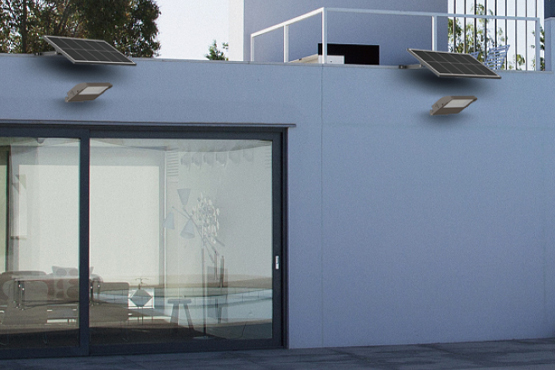
Solar Garden/Landscape/Security Lighting Series
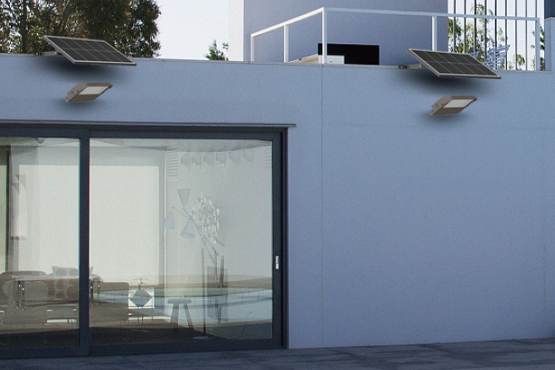
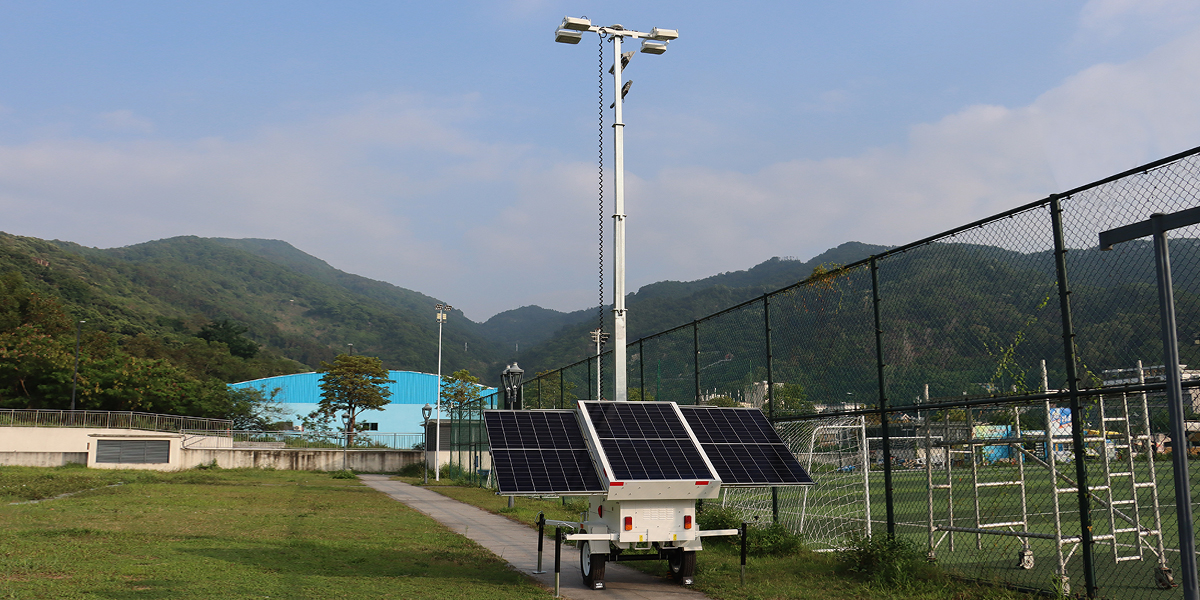
Solar Light Tower

Company Profile

Enterprise Style

Certification
Company Honor
Certified Product
Product Patent

SKD solution

Solar IoT Management System

Solar-Grid Power Hybrid Solution

Cambodia Factory

Vertical Solar PV Poles Case

Solar Street Lights Case

Solar Garden Lighting Case

Solar Light Tower Case
Time:2026-10-29 Views:
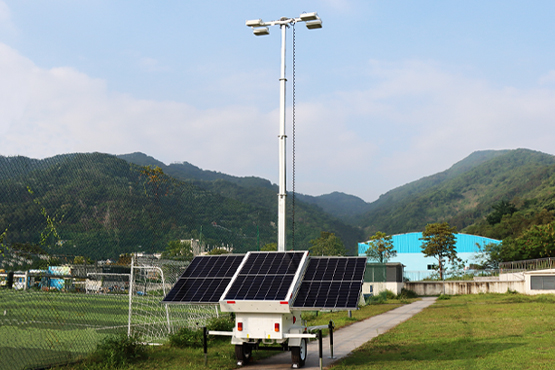
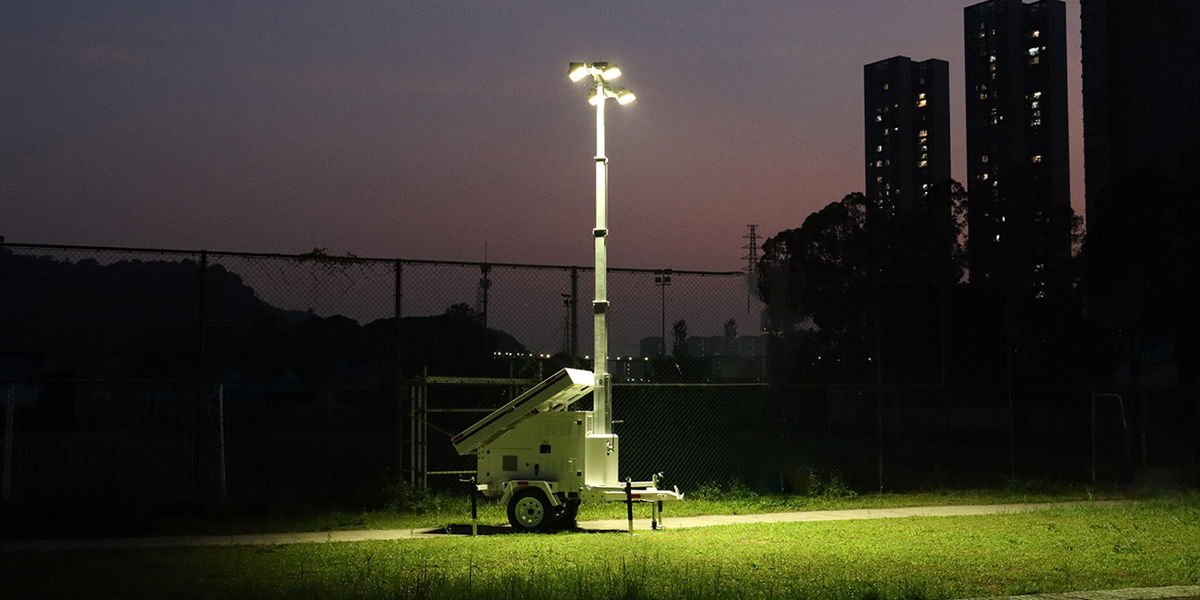
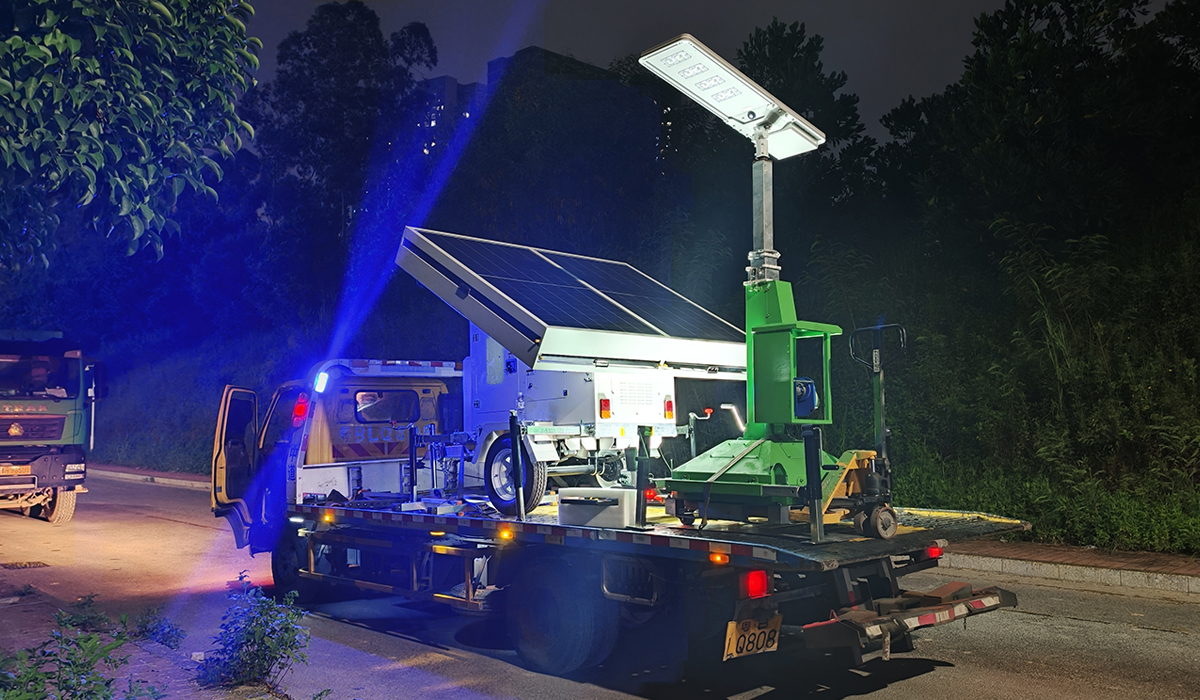
There is no universal rule stating that renting or buying is definitively more cost-effective for solar mobile light towers; the best option depends on your project duration, frequency of use, and operational environment. A practical rule of thumb is: opt for renting for short-term or one-off projects, and consider purchasing for long-term or recurring, high-frequency use.
However, because the initial purchase cost of a solar light tower is significantly higher than that of a traditional diesel-powered unit, the break-even point is reached much later—requiring a more careful financial assessment.
Renting
Best for: Projects lasting less than 6 months, particularly short-term, one-off assignments or emergency requirements.
Cost structure: Low upfront investment, with fees charged on a daily, weekly, or monthly basis. Be mindful of minimum rental periods and penalties for early returns; these hidden terms can increase your actual costs by 20%–30%.
Maintenance and risk: The rental provider typically handles maintenance, repairs, and transport. You avoid the risks associated with asset depreciation and gain access to newer equipment models.

Purchasing
Best for: Projects spanning more than 1 year, or scenarios with consistent, recurring needs for nighttime lighting.
Cost structure: Requires a significant one-time upfront investment—often starting at 36,000 RMB, which is higher than the cost of a diesel-powered light tower.
Long-term economics: If you have more than 200 night shifts per year, the fuel savings (estimated at approximately 150 RMB per night) can cover the price difference compared to diesel equipment in about two years; thereafter, the savings become pure profit. Solar light towers incur virtually zero electricity costs and eliminate expenses related to engine maintenance, such as oil changes and filter replacements.

Special Considerations for Solar Light Towers
Before making a decision, you should also evaluate two factors specific to solar-powered equipment:
Climate dependency: Solar light towers are "at the mercy of the weather"—their operational runtime may be reduced during prolonged periods of overcast or rainy weather. If your project location lacks sufficient sunlight, or if there is an absolute requirement for continuous, uninterrupted lighting, a purely solar-powered solution may carry risks. In such cases, consider a hybrid (solar-diesel) system as an alternative. Beware of inflated specifications: Some products on the market feature exaggerated battery capacity or solar panel power ratings. When making a purchase, do not rely solely on price or whether the light simply turns on. Instead, pay close attention to the battery type (lithium iron phosphate is preferred), the actual usable capacity (in kWh), and the "worst-case weather" runtime guaranteed in the contract—this helps you avoid low-cost units that might fail to last even half the night during winter.

Advice for Clients
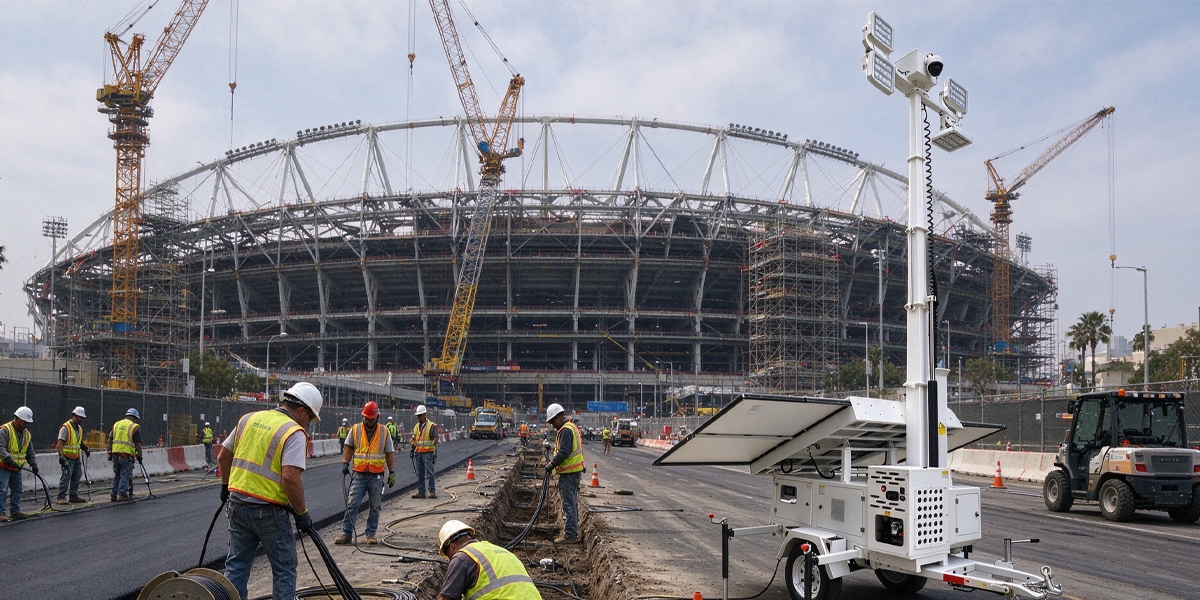
Here is a guide to help you decide: If your needs are short-term (such as lighting for a construction site or a temporary event lasting only a few months), renting is the most hassle-free option and places the least strain on your cash flow.
If you plan to use the equipment long-term, or if your operations require consistent nighttime lighting year after year (for instance, if you regularly undertake nighttime construction projects), purchasing a unit—while requiring a higher initial investment—will save significant costs on fuel and maintenance over time, and you will own the asset.

If your project is located in an area with limited sunlight, or if high reliability is critical, prioritize "hybrid" models that include a backup diesel generator. Alternatively, consider renting a diesel-powered or hybrid light tower as an interim solution.
Ultimately, the best choice depends on your specific circumstances!