Key Points for Supplier Selection for African Solar Street Light Projects
When sourcing solar powered outdoor lights commercial for African infrastructure builds, selecting a trustworthy solar lighting company is critical. The biggest pain points of African projects: high temperatures and intense sunlight, strong winds and sandstorms, large temperature differences between day and night, complex customs clearance, difficulties in overseas maintenance, and widespread misrepresentation of parameters in the industry. Whether you need road luminaires or solar powered park lights for community public zones, don't just compare prices; focus on the factory's suitability for African working conditions, customs clearance documents, real project case studies, and on-the-ground warranty.
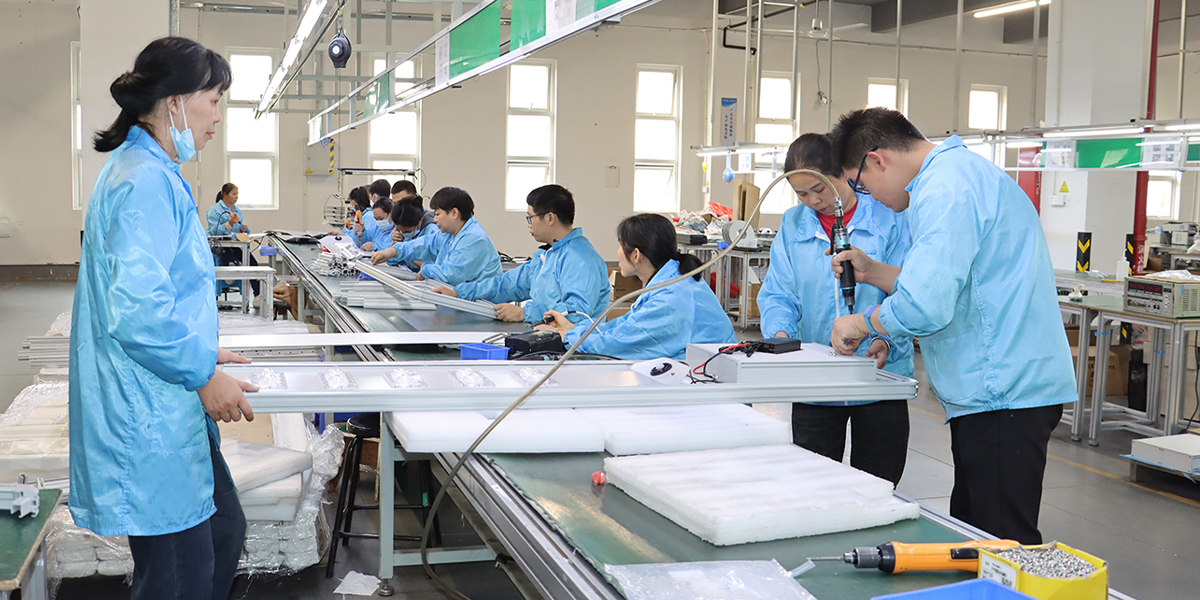
I. Verify Supplier Identity and Strength (Avoid the pitfalls of trading intermediaries)
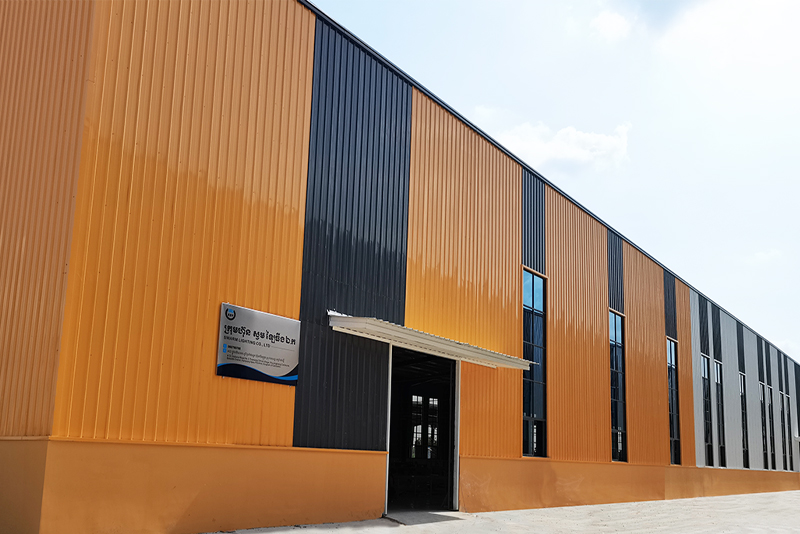
1.Prioritize original manufacturing factories, reject pure trading companies.
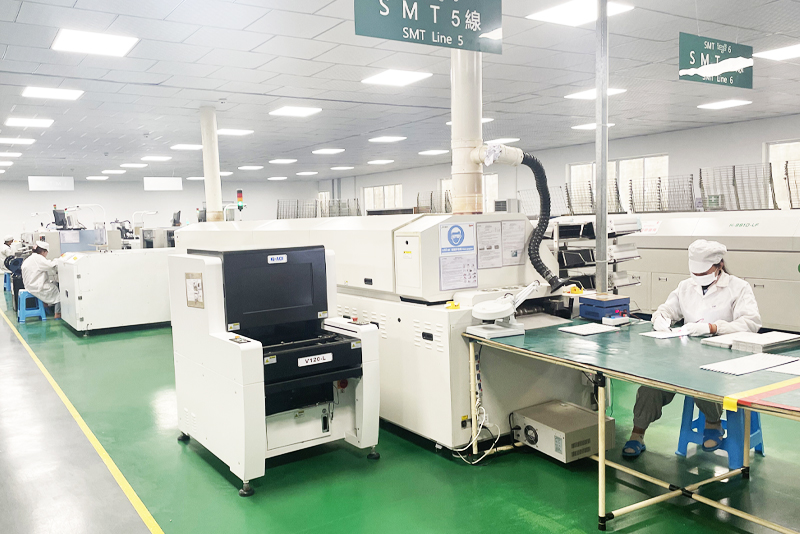
▲ Video factory visits are acceptable to inspect the surface mounting, assembly, and aging testing lines; confirm their import/export rights and ISO9001 quality system.
▲ Focus on real African project case studies: request contract snippets, on-site photos, and shipping records for African projects; don't just look at promotional brochures. Pay close attention to past projects in the target country (Nigeria, Kenya, Tanzania, Ghana, etc.).
Risks: Trading companies may outsource orders, leading to a loss of quality control and subsequent blame-shifting in after-sales service.
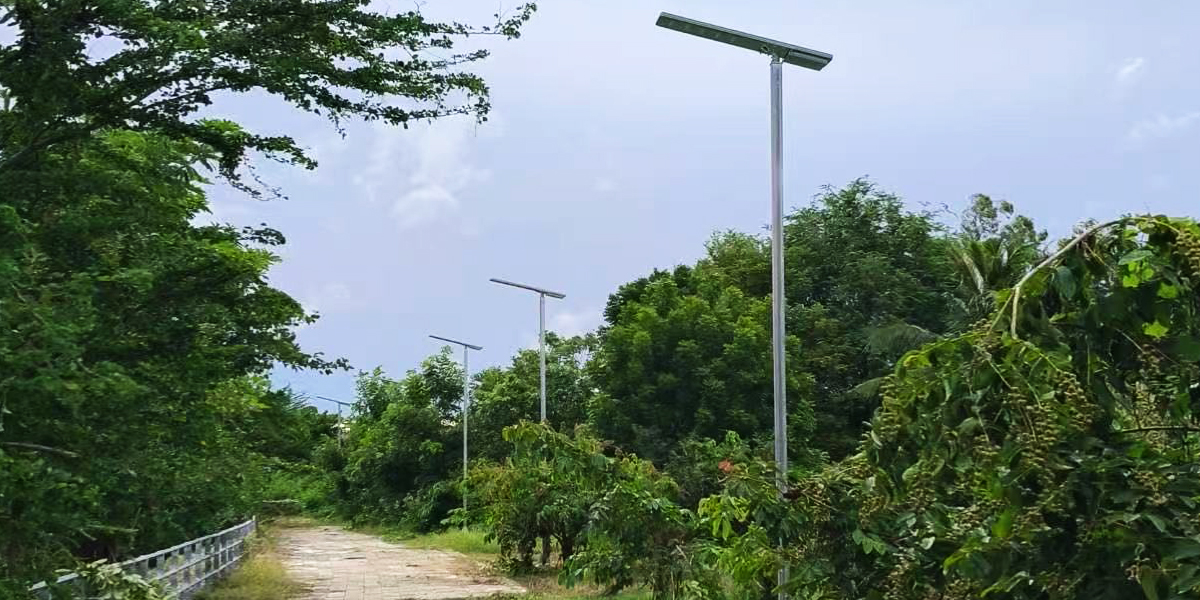
2. Production Capacity and Delivery Time: For large-scale municipal projects, confirm production schedules and whether third-party pre-shipment inspection is acceptable; African ports frequently experience delays, so allow for production and logistics buffer periods.
Note: A qualified solar lighting company should demonstrate proven mass-delivery experience for both roadway fixtures and solar powered park lights deployed across Africa.
II. Products Must Be Adaptable to the Harsh African Climate (Both Integrated and Split Types Must Meet Requirements)
Common Causes of Damage in Africa: High-Temperature Battery Degradation, Sand and Water Ingress, Poor BMS Protection, Rapid Photovoltaic Panel Aging, Misleading Specifications. When specifying solar powered outdoor lights commercial, you must validate every core component against local harsh operating conditions.
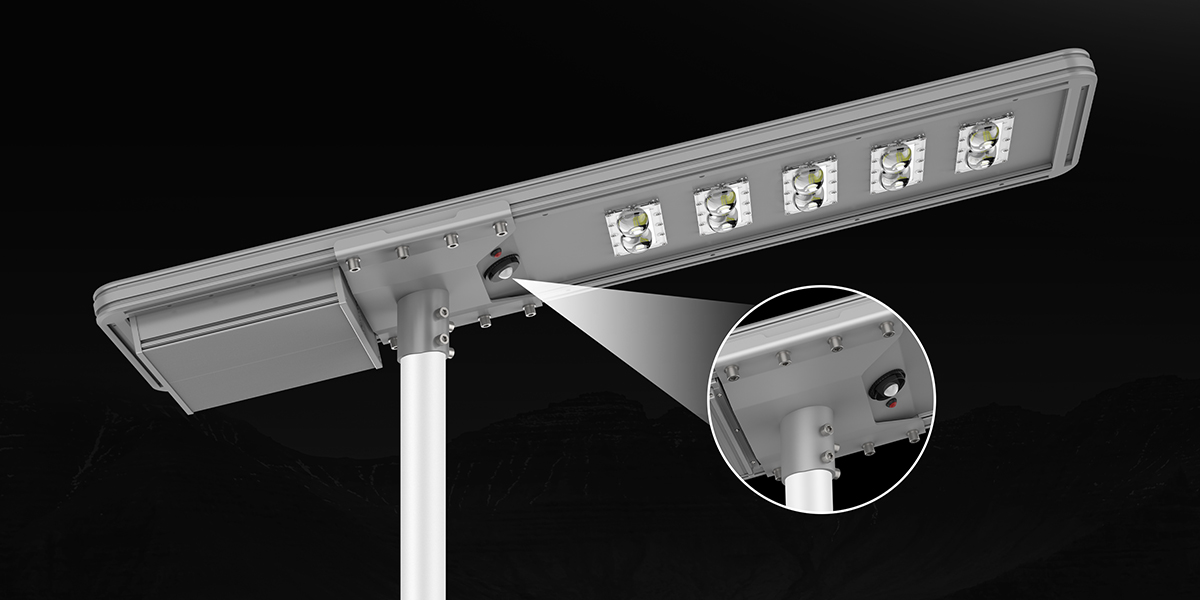
1.Battery (Crucial)
▲ Must be Grade A LiFePO4 lithium iron phosphate; reject Grade B/recycled cells; high-temperature BMS protection, battery compartment heat insulation design, withstands ambient temperatures of -20~+65℃.
▲ Reject ternary lithium batteries, as high temperatures in Africa easily accelerate degradation, posing a high safety risk.
2.Controller: Must be an MPPT controller; avoid cheap PWM controllers. Charging efficiency is 20-30% higher, providing more stable operation during dry seasons and rainy days.
3.Protection and Structure
▲ Light fixtures IP65/IP66 or higher, IK08-IK10 impact resistant; cables high-temperature resistant, connectors potted for waterproofing and dustproofing;
▲ Light poles Q235 hot-dip galvanized, resistant to sea wind corrosion and strong winds; coastal countries should upgrade anti-corrosion fasteners.
4.Eliminate False Parameter Labeling (African industry is heavily affected) Don't just look at the W rating printed on the casing; request a luminous efficacy (lm) report; many factories falsely label power, resulting in significantly reduced actual brightness.
● Require suppliers to perform energy consumption simulations based on the worst monthly sunshine data in the local area, outputting: continuous rainy-day operation and power reduction strategies, rather than using ideal sunshine calculations.
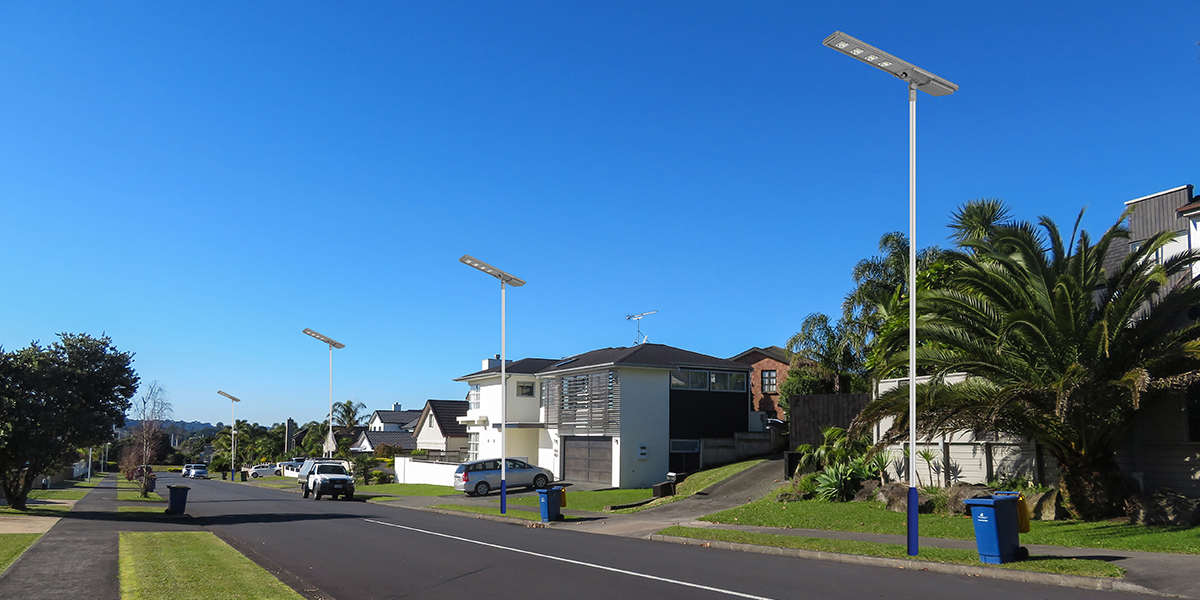
Selection Coordination:
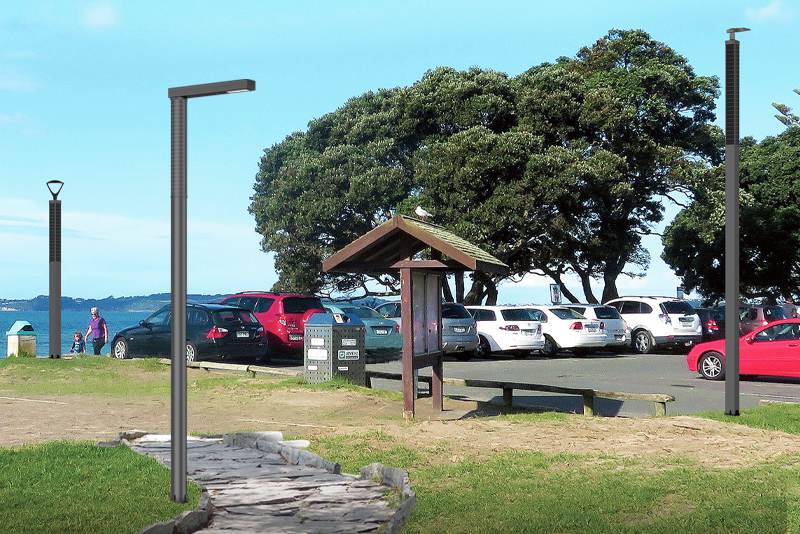
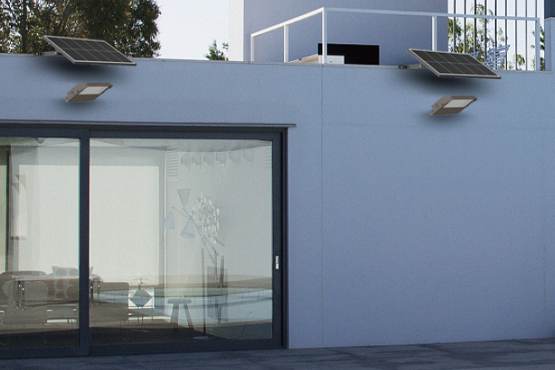
● For small rural projects and public recreation zones where solar powered park lights are deployed, prioritize integrated units.
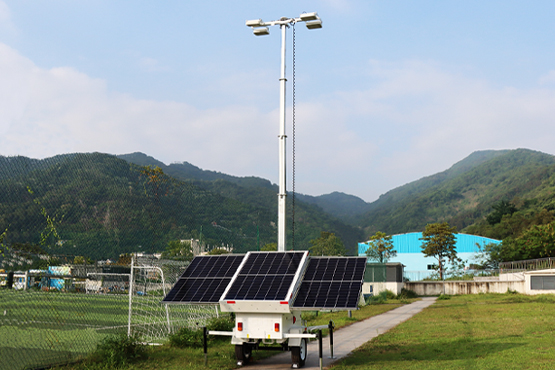
● For main roads, high-power areas, and areas with frequent rain and clouds, prioritize split units for better heat dissipation and keeping the battery away from the high-temperature source of the lamp head.
III. Customs Clearance & Complete Set of Certification Documents (Missing Certificates Will Result in Detention and Return of Goods)
1. General Basic Certificates: CE, RoHS; Lithium Battery UN38.3, MSDS (Mandatory for Sea Freight; Lithium Batteries Without UN38.3 Cannot Be Shipped).
2. Mandatory COC Certificates for African Countries (Different Country Names)
▲ Nigeria: SONCAP
▲ Kenya: PVOC
▲ Ghana, Tanzania, etc.: COC
Key Points: Your chosen solar lighting company must understand the relevant country's regulations and be able to cooperate with pre-shipment inspections; the packing list, battery model, and certificate model must be completely consistent, otherwise the goods will be detained upon arrival at the port; labels must be printed with parameters, country of origin, and warnings according to local regulations.
Risk Points: Many factories only have general CE certification and are unfamiliar with local African conformity certifications, only discovering after shipment that goods cannot clear customs, even for standard solar powered outdoor lights commercial orders.
IV. Warranty, After-Sales Service, and Spare Parts (On-site Repair is Not Possible Overseas, Fixed Terms in Contract)
On-site repair is generally not possible in Africa; service relies solely on remote guidance and spare parts replacement. Verbal warranties are invalid; all terms must be written into the purchase contract.
1. Clearly Define the Warranty Period: 2-3 years for the entire unit and 3-5 years for the battery from mainstream manufacturers; clearly state the warranty coverage: which parts are covered and which are not.
2. Agreement: A certain percentage of spare parts will be included with the shipment (generally 3-5%, negotiable for larger projects); clearly define the delivery date for spare parts replenishment.
3. Service Content: Provide an English installation manual, troubleshooting documents, and remote technical support; optional LoRa/GPRS remote monitoring function allows for remote fault diagnosis, reducing on�site inspection costs for road lighting and solar powered park lights.
4. Reject Vague Terms: Avoid vague language such as "we'll replace it if it breaks down," without specifying a timeframe.
V. Price Evaluation: Lowest Price Cannot Win
1.Obtain complete BOM configurations from multiple suppliers: battery capacity (Grade A?), controller type (MPPT/PWM), photovoltaic panel power conversion efficiency, LED luminous efficacy (lm), and protection rating. Even with similar appearances, internal components can vary significantly in price for solar powered outdoor lights commercial.
2.Calculate the Total Cost of Ownership (TCO), not just the unit purchase price; low-priced, inferior products will fail in large quantities within 1-2 years, with rework costs far exceeding the savings.
3.Inquiries must clearly specify: does the price include certification service fees, inspection cooperation, and documentation? Many certification items incur additional costs.
VI. Quick Screening of Red and Black Flag List
↘ High-Risk Signals (Cooperate with Caution)
1.Unable to provide real-world project case studies in Africa; refuses video factory inspections;
2.Battery specifications only state "lithium battery," without specifying Grade A lithium iron phosphate; uses PWM controllers;
3.Only provides CE certification, lacks knowledge of SONCAP/PVOC/COC, UN38.3 documentation is missing;
4.Specifications only list wattage, without lumens or local sunlight simulation;
5.Warranty is only verbally promised, refused to be included in the contract, unwilling to provide spare parts with the shipment.
↘ Ideal Supplier Characteristics
1. Owns a factory, with multiple municipal/rural projects implemented in African countries;
2. Familiar with customs clearance and certification processes in various African countries, able to cooperate in pre�shipment inspections;
3. Can provide integrated/split-type selection solutions based on local sunlight and temperature for road fixtures as well as solar powered park lights and other solar powered outdoor lights commercial;
4. Grade A lithium iron phosphate + MPPT, complete simulation report;
5. Contract clearly defines warranty, spare parts ratio, and technical support.
Additional Information: Integrated vs. Split-Type: Supplier-Side Considerations
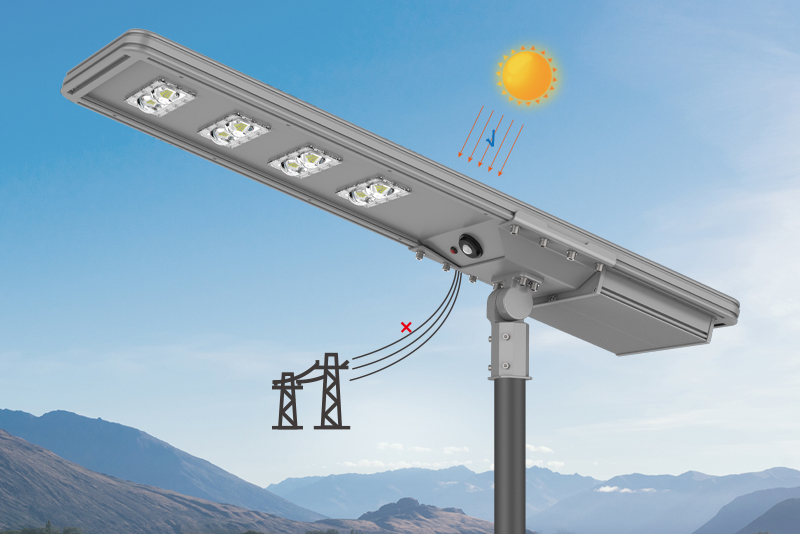
▄ Integrated (All-in-One): Focus on heat dissipation design. In high-temperature environments like Africa, integrated units concentrate heat, leading to poor heat dissipation and halved battery life. Suitable for rural roads, retrofitting existing light poles, solar powered park lights, and high-utilization containerized shipments.
▄ Split-Type: Ensure the photovoltaic bracket is wind-and-sand resistant, cables are weather-resistant, and the battery compartment is thermally insulated and sealed. Suitable for high-power projects on main roads, projects with long rainy seasons, and projects requiring high performance during continuous rainy days.
Final Takeaway: Whether you procure roadway lights, solar powered park lights, or bulk solar powered outdoor lights commercial, partnering with a capable solar lighting company that understands African market constraints will drastically reduce project risk and long-term operational headaches.






 English




 Scan WhatsApp
 Scan Wechat
 Scan WhatsApp
 Scan Wechat
 Consult Now