
Vertical Solar PV Poles
Square Shape Vertical Solar PV Poles
Round shape vertical Solar PV poles
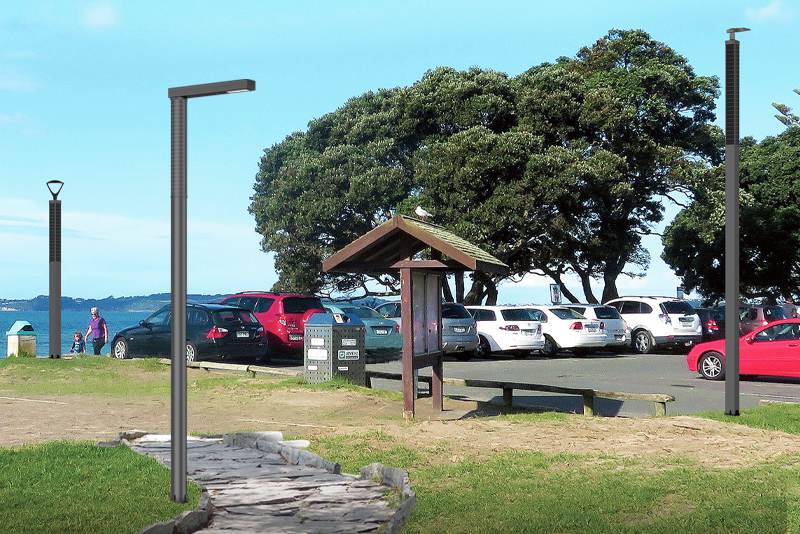
Solar Street Lights
16-20M Four-lane Road LED Solar Street Light
7-8M Two-lane Road LED Solar Street Light
3-5M Single Lane LED Solar Street Light
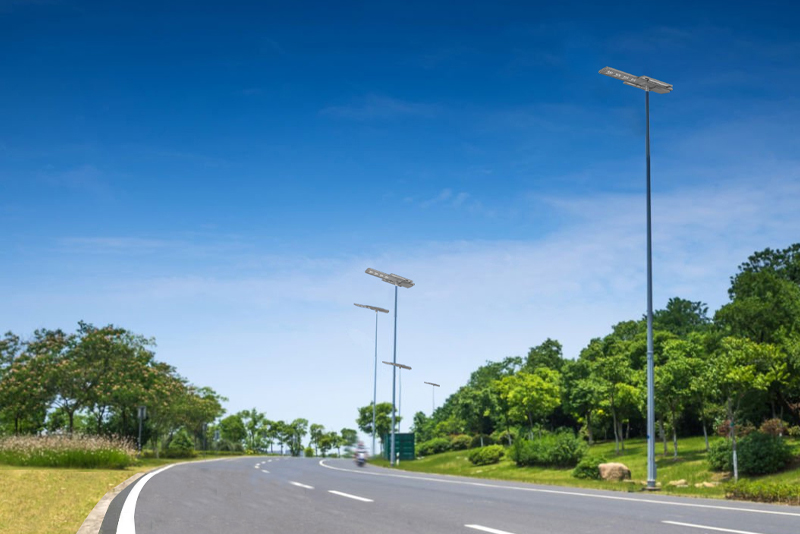
Solar Garden Lighting
Solar Garden/Landscape/Security Lighting Series
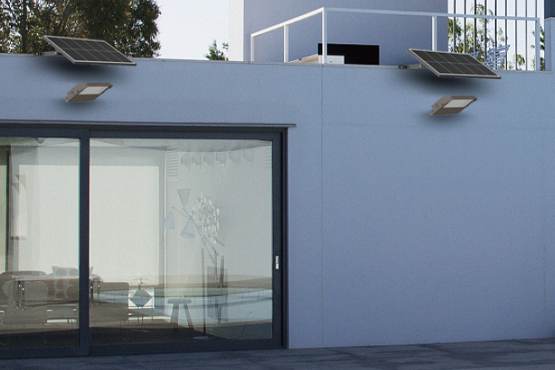
Solar Light Tower

Company Profile

Enterprise Style

Certification
Company Honor
Certified Product
Product Patent

SKD solution

Solar IoT Management System

Solar-Grid Power Hybrid Solution

Cambodia Factory

Vertical Solar PV Poles Case

Solar Street Lights Case

Solar Garden Lighting Case

Solar Light Tower Case
Time:2026-01-16 Views:
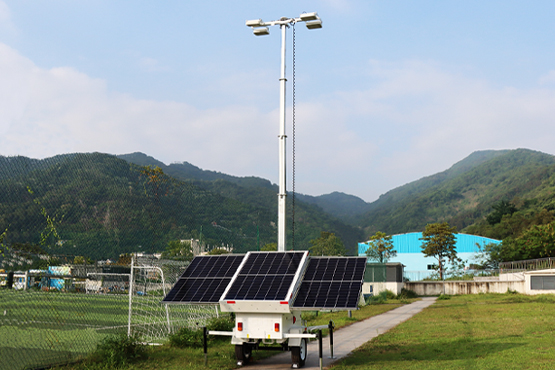
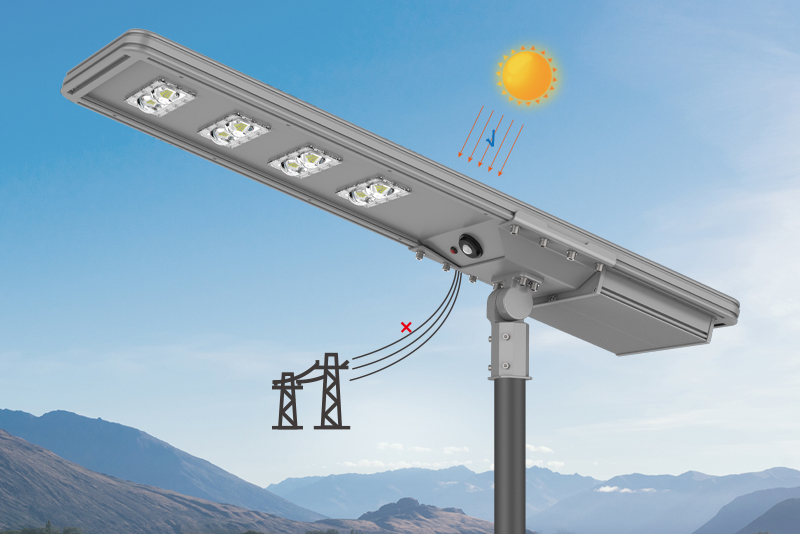
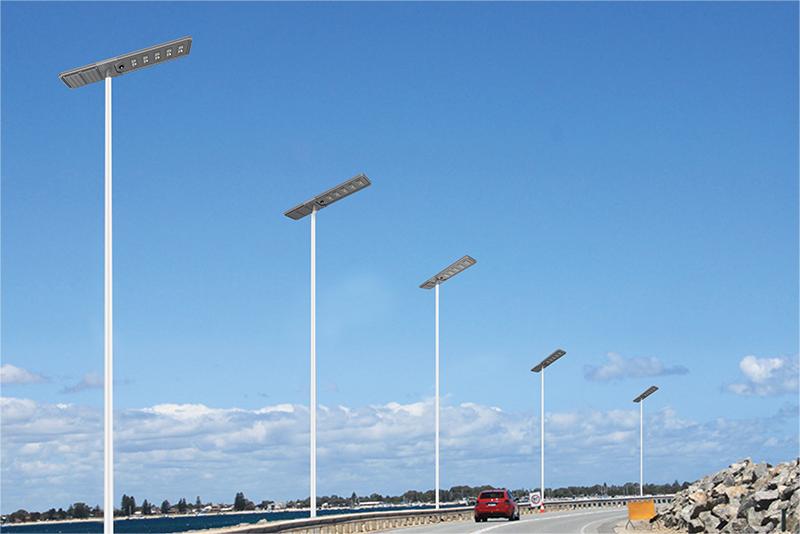
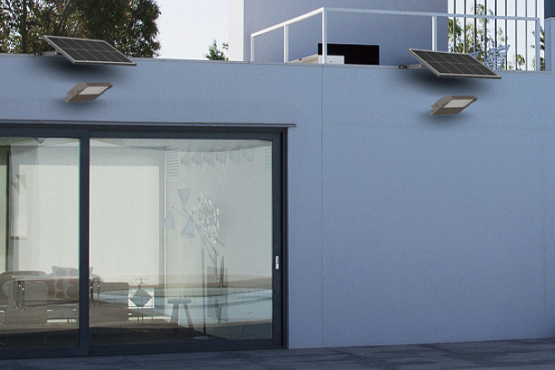
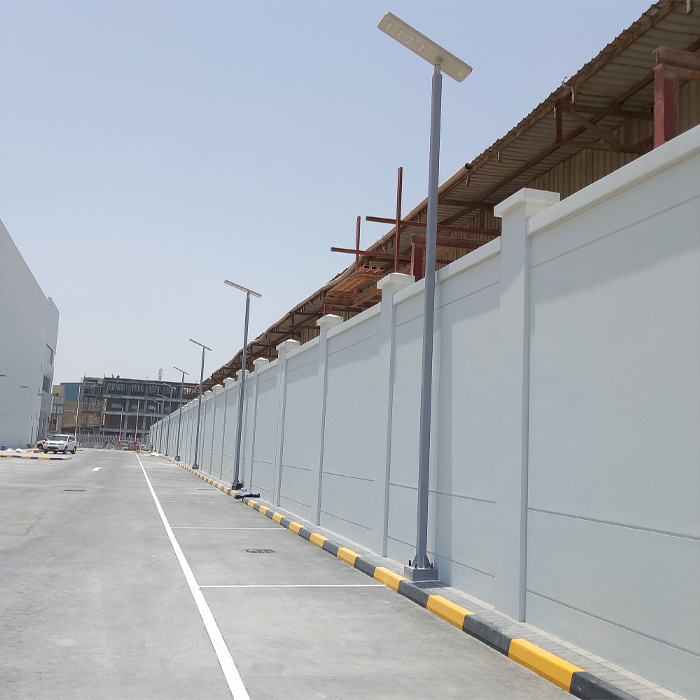
Common solar streetlights typically consist of five core components: a pole, a lamp head, solar panels, a controller, and a lithium battery. The pole supports the lamp head via an arm and is securely connected to a pre-buried ground cage for installation. The lamp head is the main light-emitting component, integrating LED chips and connecting wires; some designs also integrate the controller and lithium battery. The core of the solar panel is the photovoltaic sensor, responsible for energy harvesting; the lithium battery consists of multiple cells responsible for energy storage.

The operation of a solar streetlight essentially involves a conversion process of "light energy → electrical energy → light energy." During the day, sunlight illuminates the solar panels, generating direct current (DC) electricity, which is stored in the lithium battery via the controller. In the evening, the controller senses the decrease in sunlight and automatically activates the discharge circuit, driving the lamp head to illuminate. The lighting time automatically adjusts with the season and geographical location, providing continuous illumination for 6 to 12 hours depending on the configuration.
When selecting solar streetlights, users need to comprehensively consider factors such as road width, required lighting duration, and local cloudy/rainy weather conditions to determine the system power. Voltage matching is crucial for the entire system, primarily involving three components: the solar panel, the battery (lithium battery), and the light source.
Solar Panel Voltage: Its output voltage is designed to charge the battery. Common open-circuit voltage specifications on the market are 17.5V or 36V, corresponding to charging 12V and 24V batteries respectively. The solar panel voltage is typically designed to be about 1.5 times the battery's rated voltage; this is key to efficient charging.
Lithium Battery Voltage: As the core of energy storage, its commonly used safe voltage is 12V or 24V; 48V is less common. This low-voltage design ensures the system's electrical safety in rainy and snowy weather, effectively avoiding the risk of leakage.
LED Lamp Head Voltage: As a load, its operating voltage must match the battery voltage; mainstream designs also use 12V, 24V, or 36V.
Therefore, the entire solar street light system is a low-voltage DC system, ensuring safe and reliable operation. For applications requiring high-lumen outdoor lighting, such as main roads or large areas, powerful solar street lights are a good option. The key to these lights is the use of high-power solar panels, high-capacity lithium batteries, and high-brightness lamp heads. When choosing a light source, it is recommended to consult professional solar lamp manufacturers. They can provide integrated professional designs, from component matching to light distribution schemes, tailored to the specific environment, ensuring optimal lighting performance and system lifespan.