
News

Discover valuable insights and updates on the professional solar Street lighting industry.

Home  >  News  >  Company News
Cooperation

Company News

Exhibition

How to Select Solar Street Lights-solway

Time:2026-01-16 Views:

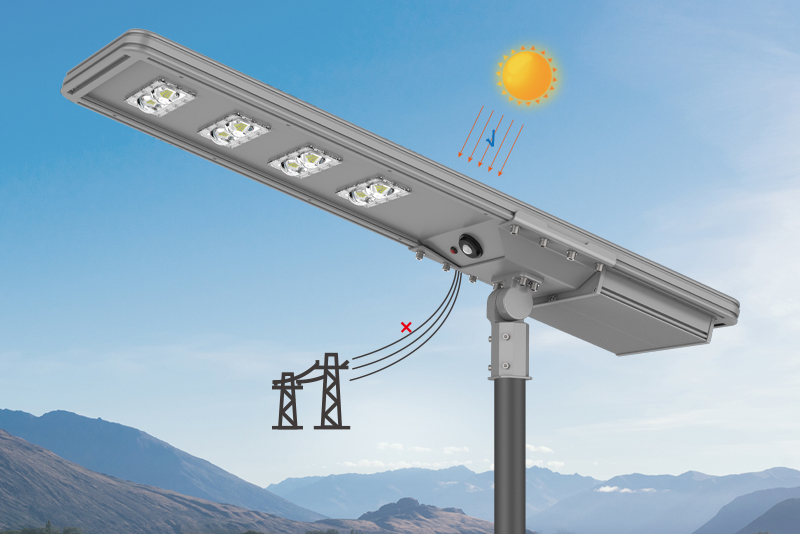
Solar street lamps usually adopt LED lamp heads. The main difference between them and ordinary LED lamp heads is that they do not have their own power supply. Modern solar controllers usually integrate constant current power supplies inside, which are called "integrated" controllers. Therefore, the lamp heads need to be used in conjunction with the controllers.


① Selection of working voltage

The working voltage for ordinary street lamps is 220V, and only the power needs to be selected. For solar street lamps, after determining the power, the working voltage that matches the output voltage range of the controller must also be selected. For example, if the output voltage range of the controller is 18-36V, the working voltage of the lamp head must be within this range; otherwise, even if the power is appropriate, the lamp will not be able to work properly. 


② Selection of Light Source Quality

It is recommended to conduct the test using a voltage-regulating power supply: After connecting the lamp cap, gradually increase the voltage and start observing from the faint light of the lamp beads. The brightness changes of all lamp beads should remain consistent; otherwise, it will affect the lifespan of the entire lamp (as shown in the example on the right of the integrated light source in the figure). If there is no voltage-regulating power supply, you can observe the consistency of the lamp bead brightness by looking closely through dark sunglasses or an electric welding mask after the lamp cap is lit. 


③ Color Temperature Selection

Solar street lights are mostly used on non-highway sections. You can choose a lamp head with a slightly higher color temperature (such as around 6000K). Although the visibility in foggy weather is slightly reduced, the daily visual brightness is still good. This is a compromise solution between energy consumption and effect. 


④ Light distribution curve

The light distribution curve affects the uniformity of road lighting. Ideally, the light should be evenly distributed on the road surface, avoiding "too bright under the lamp and too dark in the distance". The illuminance at three detection points in the figure can be measured using an illuminance meter. The closer the values are, the better. During the test, the lamp head can be temporarily fixed about 2 meters above the ground outdoors to avoid interference from indoor wall reflections. 


Best solar parking lot lights

If you are in need of more professional solar lighting solutions, please refer to the following product types: 

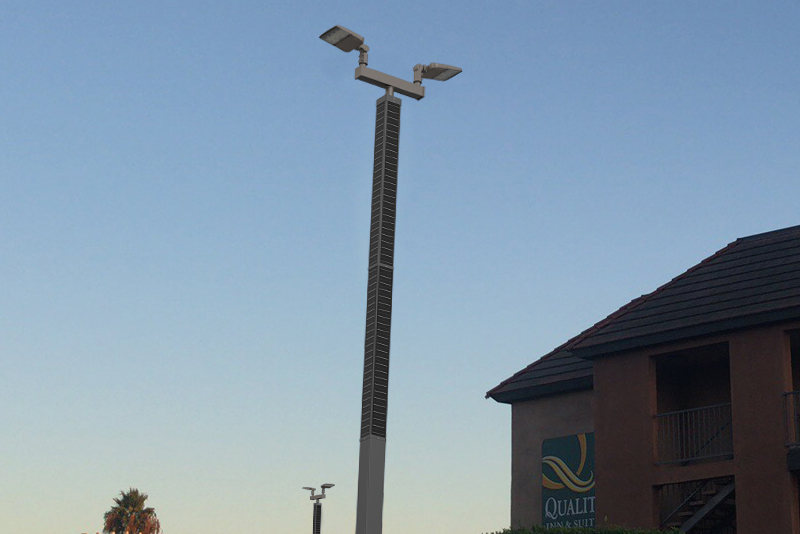
Best solar parking lot lights: Suitable for parking lots, emphasizing high brightness and uniform light distribution. 

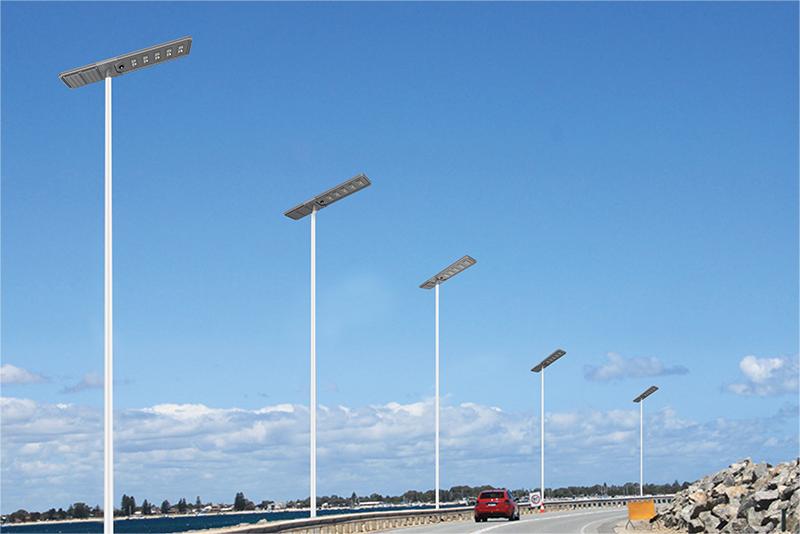
Best solar street lights for outdoor use: The top choice for outdoor solar street lamps, focusing on durability and energy efficiency ratio. 

Commercial outdoor solar lighting: A commercial solar lighting system for outdoor use, suitable for scenarios such as squares and parks. 

Commercial solar parking lot lights: Solar-powered lights for commercial parking lots, which must meet the requirements of long-term illumination and safety. 

When choosing the appropriate solar street lamps, please consider key factors such as voltage matching, uniformity of the light source, color temperature, and light distribution curve. Select the corresponding product type based on the specific scenario to achieve efficient and energy-saving lighting effects.


Hot News

Solway solar streetlights have undergone a comprehensive upgrade, with the light poles and streetlig Cambodia factory officially started production, helping you save 30% tariff! Selected solar street lights, one-stop purchasing wholesale service How to choose best solar street lights? Choosing the Right Solar Street Light with Pole

Leave a Message

Write Us And We'll Get Back To You