Generally, solar streetlights aren't sold individually; they're usually included as a complete set, allowing for direct installation without the need to purchase additional equipment. However, the price of solar streetlights varies, depending on the required wattage, daily operating hours, and even the duration of consecutive cloudy or rainy days.
A typical solar streetlight configuration includes a 30W power supply, a 90W photovoltaic panel, and an 80AH battery. If it operates for an average of 8 hours per day with 3-5 days of backup power, the entire set costs around 1500 yuan. This includes the light pole, power supply, photovoltaic panel, battery, controller, underground box, cables, and foundation pre-installed components. Prices are lower for residential use, while solar streetlights for rural and urban roads are more expensive.
What's Included in the Price of Solar Street Lights? A Complete Configuration Explained
Many customers often wonder what's included in the price of solar street lights. In reality, reputable solar lamp suppliers provide complete, ready-to-use system solutions, not individual components. The total price reflects the combined cost of multiple core components and services.
I. Core Hardware Costs: The Main Components of a System
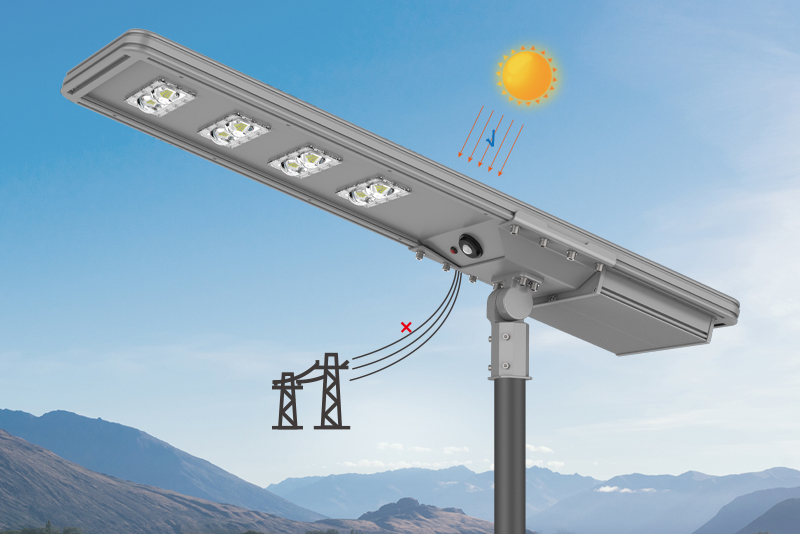
A complete solar street light system typically includes all of the following components, ensuring you can install it without needing to purchase additional parts:
Photovoltaic Modules (Solar Panels): The system's "power station," converting light energy into electrical energy. Their power (e.g., 50W, 100W, 200W) and type (monocrystalline/polycrystalline) directly affect the price and charging efficiency.
LED Light Source: The system's "power-consuming terminal," determining the brightness and range of the lighting. Power (e.g., 20W, 30W, 100W) and luminous efficacy (lumen count) are key price factors.
Battery: The system's "energy warehouse," storing electricity generated during the day for nighttime use. Capacity (e.g., 50AH, 80AH, 200AH) and type (lithium/gel battery) determine the system's range on cloudy or rainy days and are a major cost component.
Intelligent Controller: The system's "brain," controlling charging and discharging, lighting time (light control + time control), and protecting the battery. Its functional complexity affects the price.
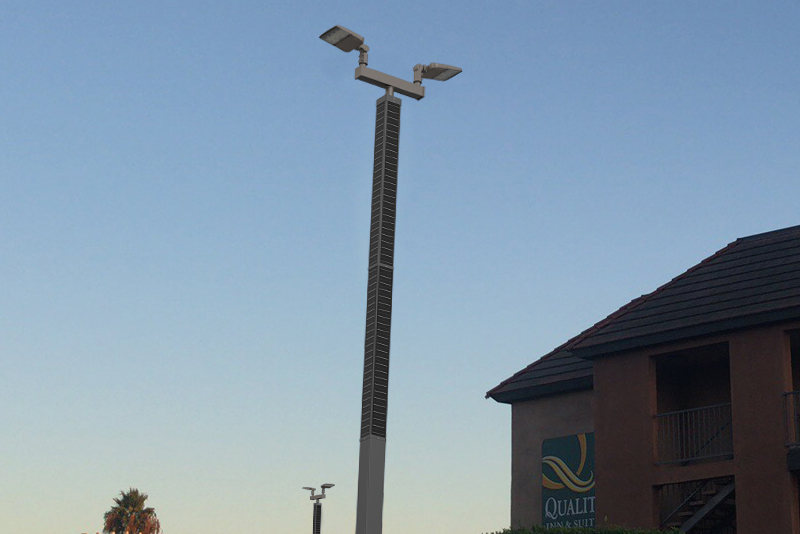
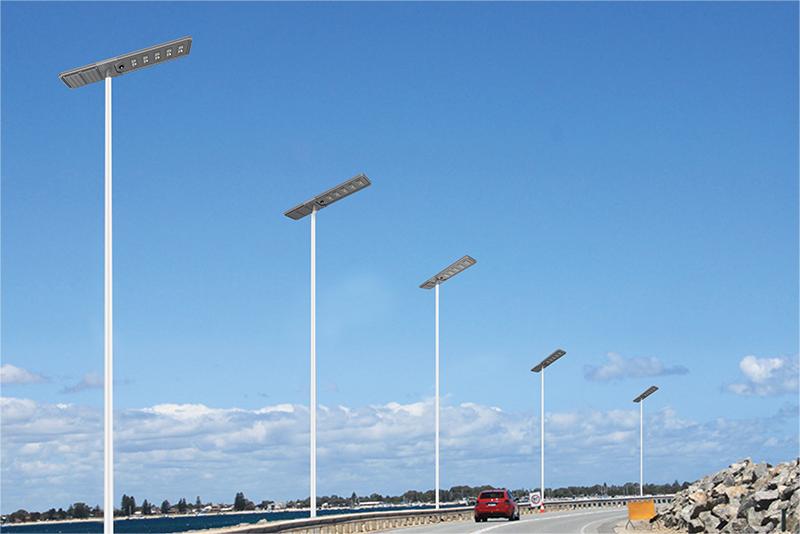
Lamp Post and Bracket: Includes pole height (6m, 8m, 12m, etc.), material (steel thickness, corrosion resistance), shape, and brackets for securing the solar panels.
Auxiliary Materials and Accessories: Such as embedded parts, ground cages, cables, waterproof underground boxes, etc., ensuring safe and secure installation.
II. Key Configuration Parameters Affecting Price As mentioned above, the price is not fixed but "tailor-made" according to your specific needs. The main calculation bases include:
Required Brightness (Light Source Power): How bright does the illuminated area need to be?
Daily Lighting Time: How many hours of illumination are needed each night?
Local Climate Conditions: Is it necessary to guarantee normal lighting even after several consecutive rainy days?
Installation Environment Requirements: What is the required height of the light pole? What wind resistance level is required?
Price Example Reference: A standard home solar lighting system or rural roadside setup, such as a 30W LED light source + 90W photovoltaic panel + 80AH lithium battery, providing 8 hours of lighting per day and 3-5 days of backup power, costs approximately RMB 1500. For urban roads or projects requiring higher brightness and longer battery life, the price of a configuration (e.g., 100W light source + 200W panel + 200AH battery + 12-meter pole) will significantly increase, potentially reaching several thousand RMB or even higher.
III. Soft Costs and Service Value
Besides hardware, professional solar lighting solutions also include the following value, which is reflected in the overall cost:
Design and Solution Costs: Professional configuration design based on your specific geographical location (sunlight data) and usage requirements.
Technical and Quality Certifications: Products from reliable solar-powered light manufacturers have IP protection ratings, thermal design, and chip brands that determine product lifespan and stability.
After-Sales and Warranty Services: Comprehensive warranty periods (typically 3-5 years for the light source and over 3 years for the battery) and technical support ensure long-term use.
Summary: In conclusion, the price of a solar street light reflects the value of a complete system. It's not simply the sum of individual component prices, but also includes scientific configuration to meet specific lighting needs, product quality assurance, and after-sales service. When requesting a quote, clearly inform the supplier of your specific brightness requirements, lighting duration, requirements for cloudy/rainy days, and installation location. They will be able to provide you with the most cost-effective solar lighting solution. Choosing to partner with a professional solar light manufacturer or supplier is key to ensuring project success and long-term stable operation.






 English




 Scan WhatsApp
 Scan Wechat
 Scan WhatsApp
 Scan Wechat
 Consult Now