Integrated solar streetlights cannot be simply categorized as "reliable" or "unreliable"; rather, they are tools highly specialized for specific use cases. In the right environment, they represent a pragmatic, cost-effective choice—but if deployed in the wrong setting, or if one opts for a low-quality, cut-rate product, they can quickly become a source of frustration.
Empirical test data clearly delineate the divide between high-quality solar streetlights and their inferior counterparts. Practical Advantages of All-in-One Solar Street Lights:
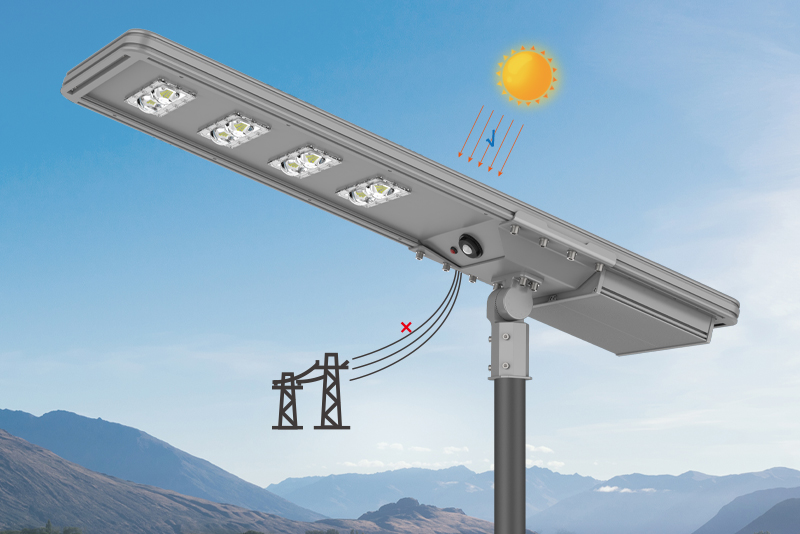
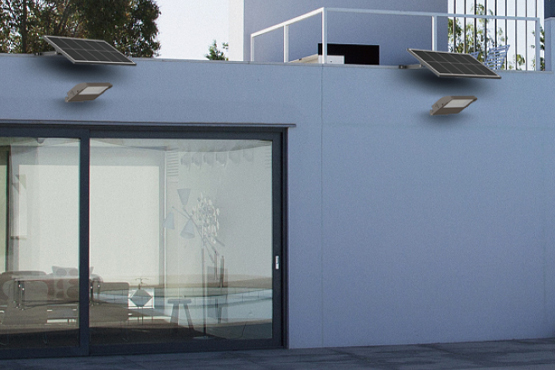
Extremely Simple Installation: As a single, integrated unit, it can be mounted directly onto a wall or pole. No wiring or professional electrician is required—you can install it yourself, and there are zero electricity costs.
Smart Modes Are Essential: Features like automatic dusk-to-dawn lighting combined with motion/radar sensors (brightening when someone approaches and dimming when the area is clear) are key to ensuring the light lasts all night. Conversely, a "constant-on, full-brightness" mode rarely lasts through the entire night.
Adequate Protection in Quality Models: Look for an IP65/IP67-rated die-cast aluminum housing, which provides effective rain protection. High-quality lithium iron phosphate (LiFePO4) batteries offer a long cycle life and are resistant to swelling or catching fire.
Easy Maintenance: Reputable brands allow for individual battery replacement, so you don’t have to discard the entire unit.
Major Drawbacks: Heat Is the "Lifespan Killer"
Exaggerated Power Ratings: Products may be labeled as "300W" or "500W," but the actual solar panel might only be rated for a dozen watts or so, with a true light output of perhaps just 2–4W. Even if the unit is packed with LED beads, the actual illumination is often very low; claims that a light can "illuminate hundreds of square meters" are usually just marketing gimmicks.
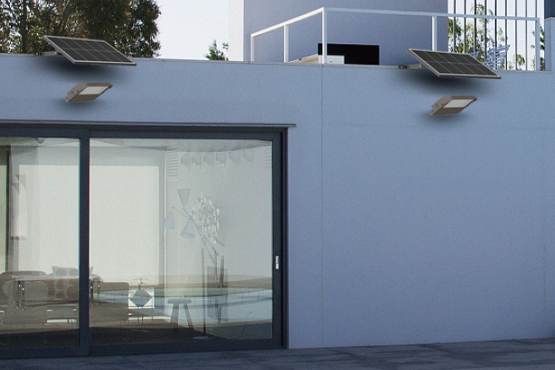
Limited Solar Panel Positioning (An Inherent Flaw of Integrated Designs): Because the solar panel is fixed to the light fixture, it cannot be adjusted or angled to capture more sunlight. If installed in a shaded area, under trees, or on a north-facing side, the battery won't charge properly during the day, causing the light to go out after only 2–3 hours at night.
Inflated Battery Capacity & Refurbished Cells: Some units feature large housings but contain batteries with significantly lower actual capacity. Cheaper models may even use second-hand lithium batteries, which often swell, fail, or see their runtime plummet after just six months of use.
Poor Performance in Overcast Weather: Low-end models may fail to light up entirely after 3–5 consecutive cloudy days. Even better-quality units—which might claim a 3–7 day backup capacity—rely on the assumption that the battery was fully charged during a previous period of ample sunshine.
Practical Use Cases
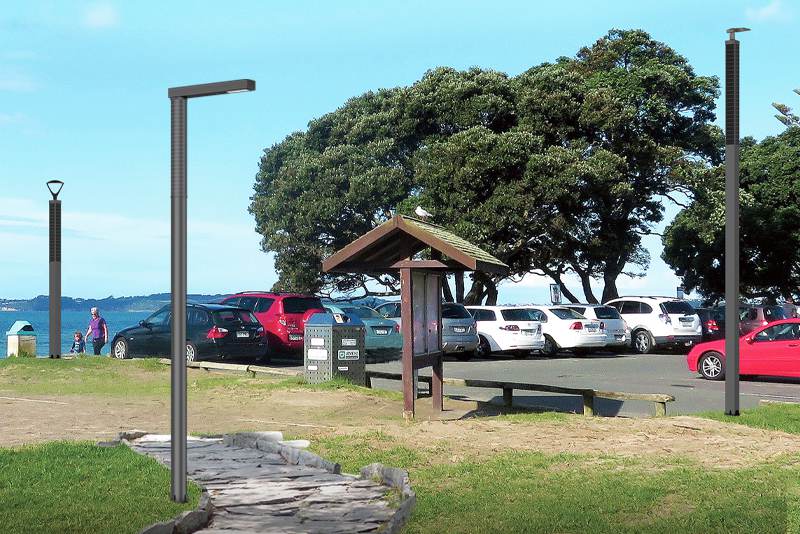
Recommended for: Home courtyards, entryways, small vegetable gardens, paths along perimeter walls, or secondary alleyways—ideally using motion-sensor modes.
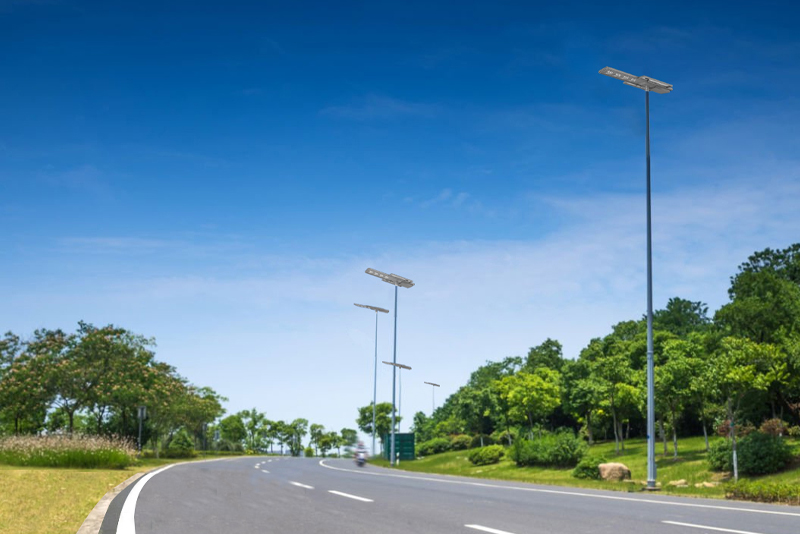
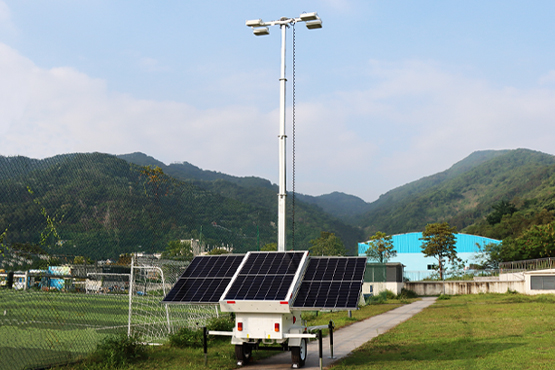
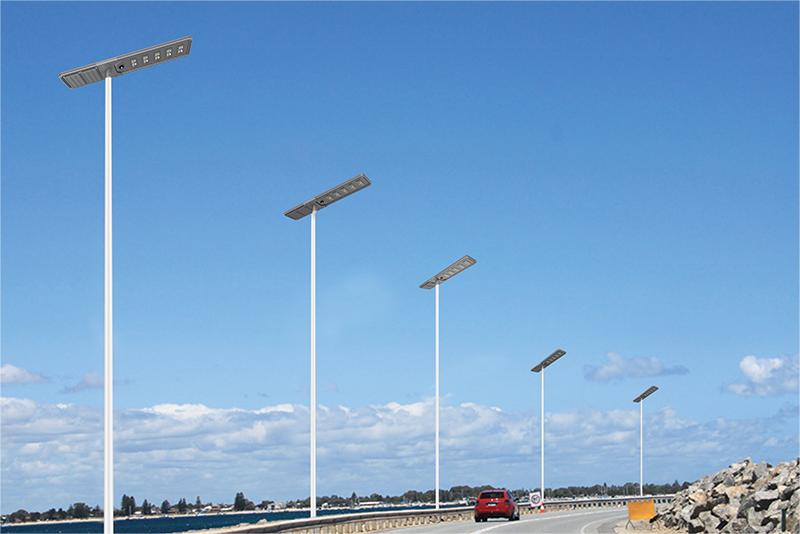
Not recommended for: Main village roads, primary access roads within industrial zones, areas requiring continuous bright light throughout the night, or locations that are frequently rainy or shaded (lacking direct sunlight). For these scenarios, opt for "split-type" solar street lights, which allow the photovoltaic (PV) panel to be positioned separately and adjusted to an optimal angle.
Buying Guide: What to Ask the Seller
1. PV Panel: Must be monocrystalline silicon. Ask for the actual wattage of the panel—don’t just look at the number of LED beads.
2. Battery: Must be LiFePO4 (lithium iron phosphate). Verify the capacity, and avoid refurbished ternary lithium batteries. Ideally, choose a model with a replaceable battery.
3. Controller: Look for MPPT (Maximum Power Point Tracking) charging, which offers higher charging efficiency.
4. Operating Modes: Must include radar or motion sensing, with a remote control to toggle between modes (e.g., constant-on vs. motion-activated).
5. Durability: IP65 rating or higher; ensure the housing is made of die-cast aluminum rather than thin plastic.
6. Rainy-Day Performance: Clarify whether the stated battery life during overcast or rainy weather applies to "motion-sensing" mode or "constant-on" mode.
Installation Tips (Crucial for Performance)
■ Orientation: Face the panel due south whenever possible, and ensure it is not obstructed by large trees or roof eaves.
■ Height: For residential courtyards, a height of 3–4 meters is ideal; installing it too high will significantly reduce the light intensity on the ground.
■ Regular Maintenance: Keep the PV panel clean—dust, dirt, or moss buildup will drastically reduce charging efficiency.






 English




 Scan WhatsApp
 Scan Wechat
 Scan WhatsApp
 Scan Wechat
 Consult Now