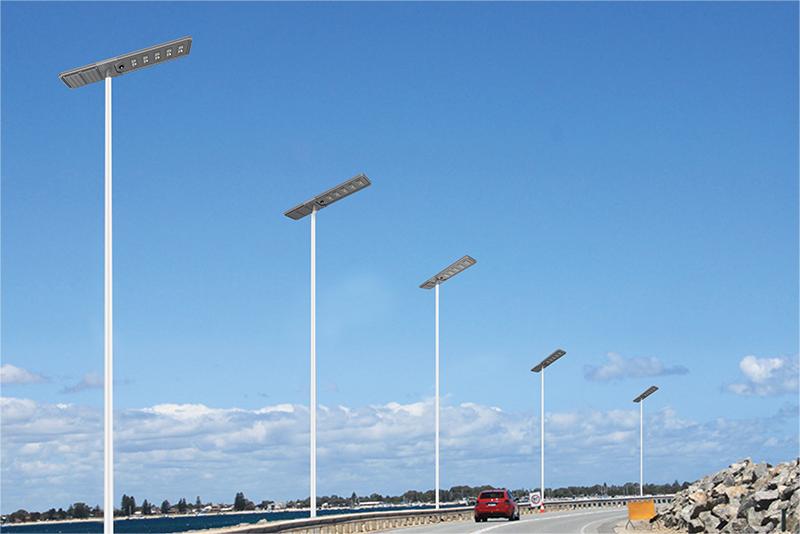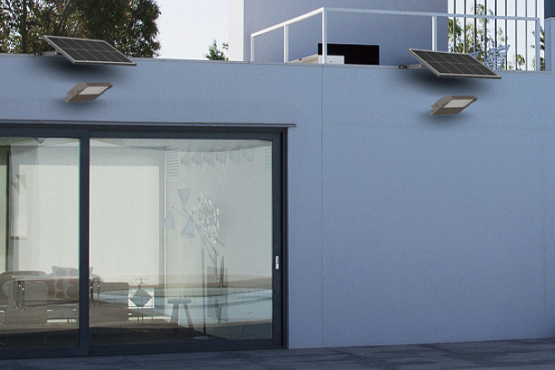

Vertical Solar PV Poles
Square Shape Vertical Solar PV Poles
Round shape vertical Solar PV poles
Solar Street Lights
16-20M Four-lane Road LED Solar Street Light
7-8M Two-lane Road LED Solar Street Light
3-5M Single Lane LED Solar Street Light
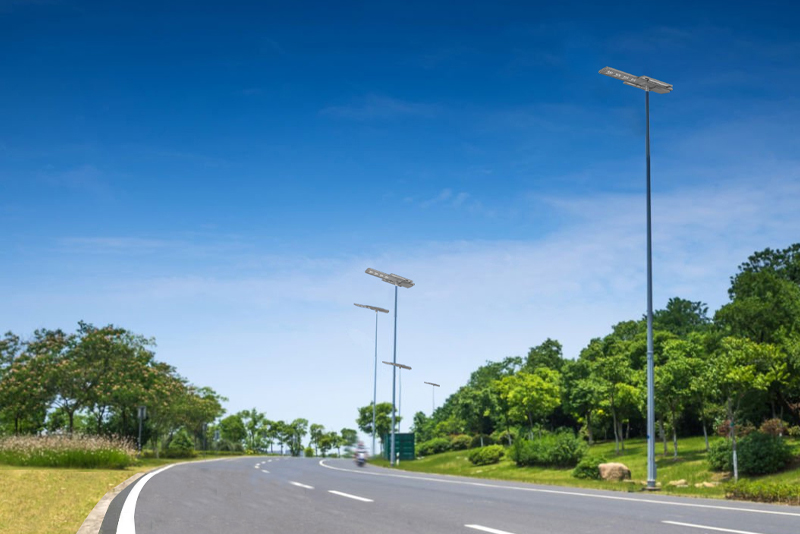
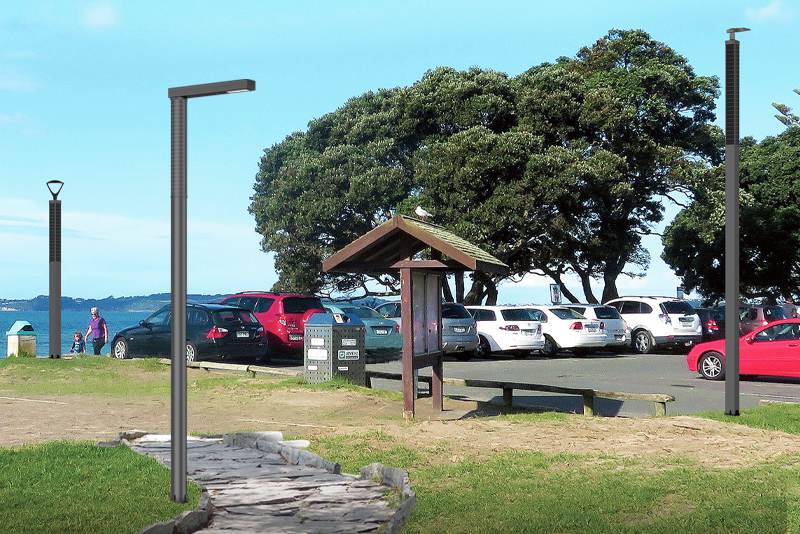
Solar Garden Lighting
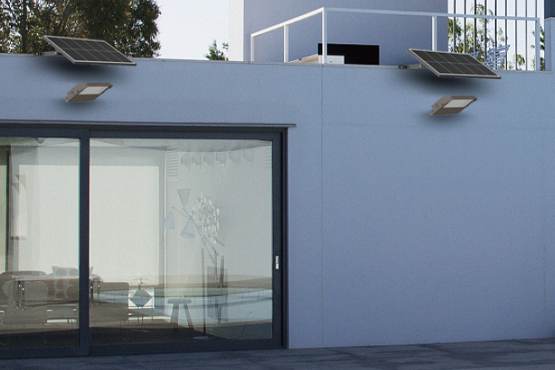
Solar Garden/Landscape/Security Lighting Series
Solar Light Tower

Company Profile

Enterprise Style

Certification
Company Honor
Certified Product
Product Patent

SKD solution

Solar IoT Management System

Solar-Grid Power Hybrid Solution

Cambodia Factory

Vertical Solar PV Poles Case

Solar Street Lights Case

Solar Garden Lighting Case

Solar Light Tower Case
Time:2026-01-28 Views:
The autonomy and power consumption of solar streetlights depend on battery capacity, load power, and the controller's intelligent management strategy. To balance lighting needs and battery life, modern solar streetlights typically do not operate at 100% full power all night, but rather use "time-of-use" or "induction" regulation.
This is the most important metric for customers, and is usually divided into two concepts:
Nighttime illumination: Typically designed for 10-12 hours (from dusk till dawn).
Backup Days: The number of days the battery can support the light fixture's operation without any sunlight charging.
Standard configuration: Typically supports 3-5 cloudy/rainy days.
High-end/Engineering models: Can support 5-7 or even more cloudy/rainy days (such as some high-end Solway models).
To achieve the aforementioned long battery life, the controller allocates power according to different modes:
A. High Brightness Mode (100% Full Power)
Power Consumption: Extremely high; battery depletes fastest.
Application Scenario: The first 2-4 hours after dark (peak pedestrian and vehicular traffic).
Performance: The lights operate at their rated maximum power, providing the strongest illumination.
Battery Life Impact: If maintaining 100% brightness all night, a typical battery can only support 4-6 hours, therefore it's rare to have them on full 24/7.
B. Normal/Constant Brightness Mode (50%~70% Power)
Power Consumption: Moderate.
Application Scenario: Late at night or during periods of lower pedestrian traffic.
Performance: Moderate brightness, meeting basic road lighting standards; the decrease in brightness is not noticeable to the naked eye, but it saves 30%~50% of power.
C. Energy Saving/Sensing Mode (Radar/PIR Mode)
This is the most power-efficient mode, typically used in conjunction with microwave radar or infrared sensors.
Standby Mode: Maintains 20%~30% dim brightness when no one is present (or completely off, depending on settings).
Trigger Mode: Instantly switches to 100% full brightness when a person/vehicle is detected, lasting 30~60 seconds.
Power Consumption: Extremely low. Compared to full brightness mode, overall energy savings can reach over 70%.
Battery Life Impact: In this mode, even with low battery power, it can maintain a very long standby time.