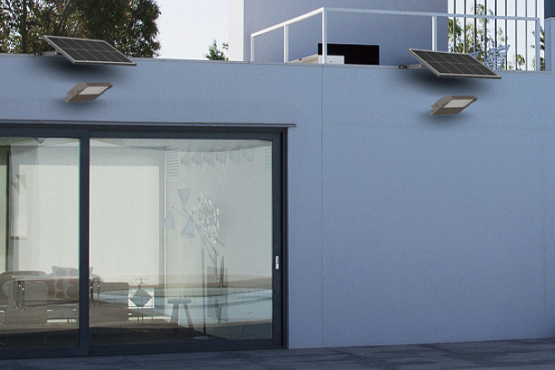

Vertical Solar PV Poles
Square Shape Vertical Solar PV Poles
Round shape vertical Solar PV poles
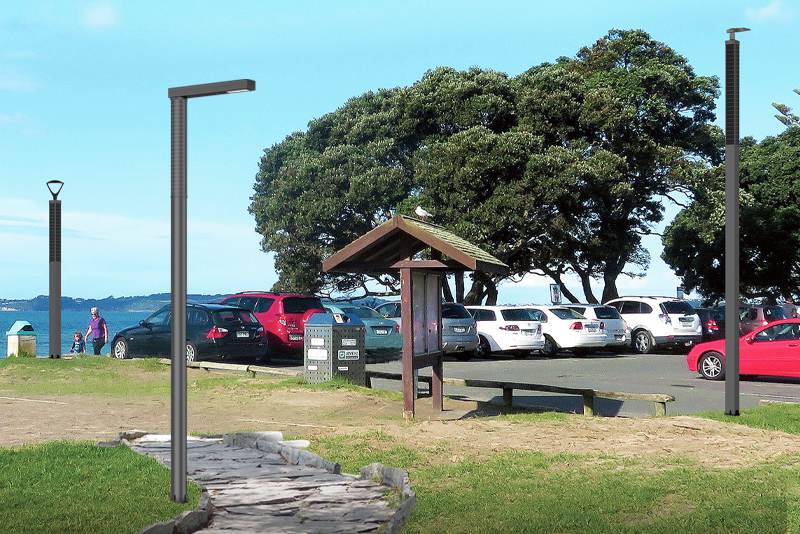
Solar Street Lights
16-20M Four-lane Road LED Solar Street Light
7-8M Two-lane Road LED Solar Street Light
3-5M Single Lane LED Solar Street Light
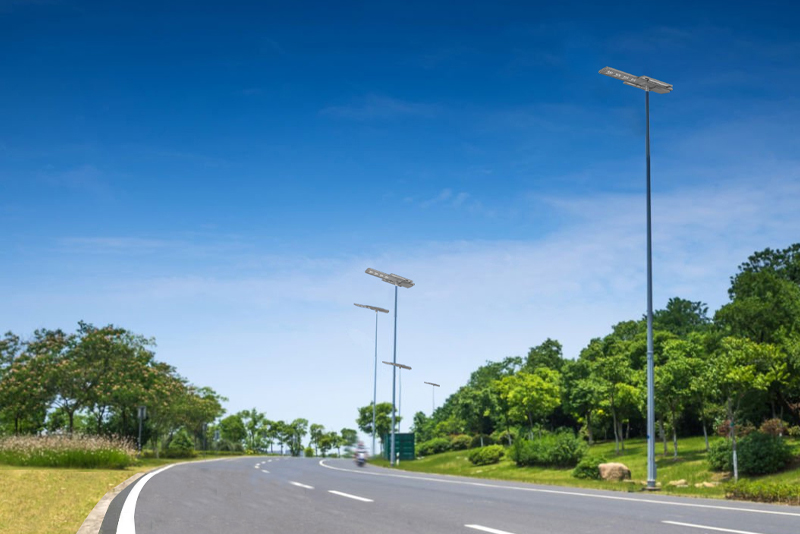
Solar Garden Lighting
Solar Garden/Landscape/Security Lighting Series
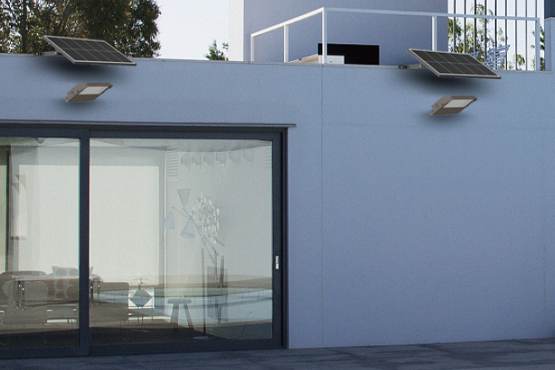
Solar Light Tower

Company Profile

Enterprise Style

Certification
Company Honor
Certified Product
Product Patent

SKD solution

Solar IoT Management System

Solar-Grid Power Hybrid Solution

Cambodia Factory

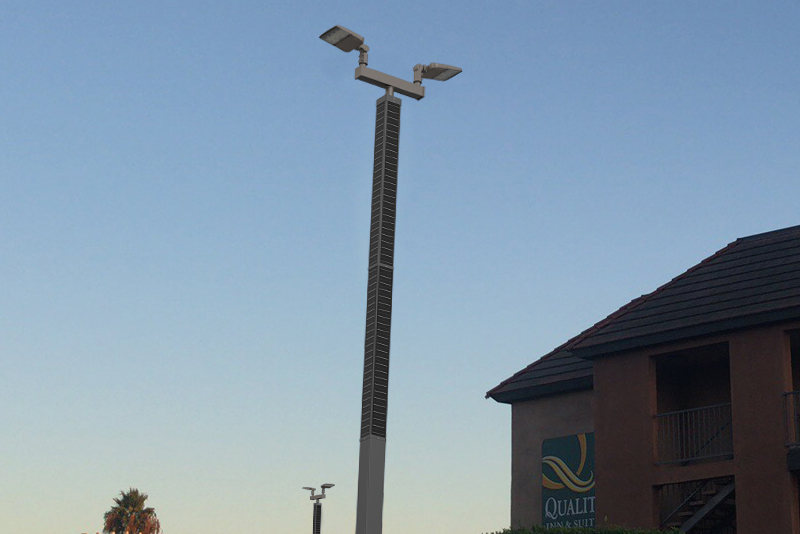
Vertical Solar PV Poles Case

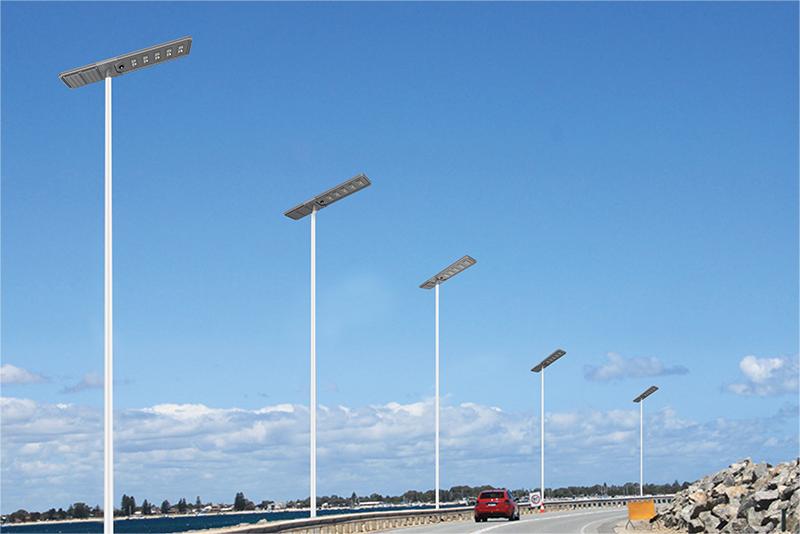
Solar Street Lights Case

Solar Garden Lighting Case

Solar Light Tower Case
Time:2026-01-22 Views:
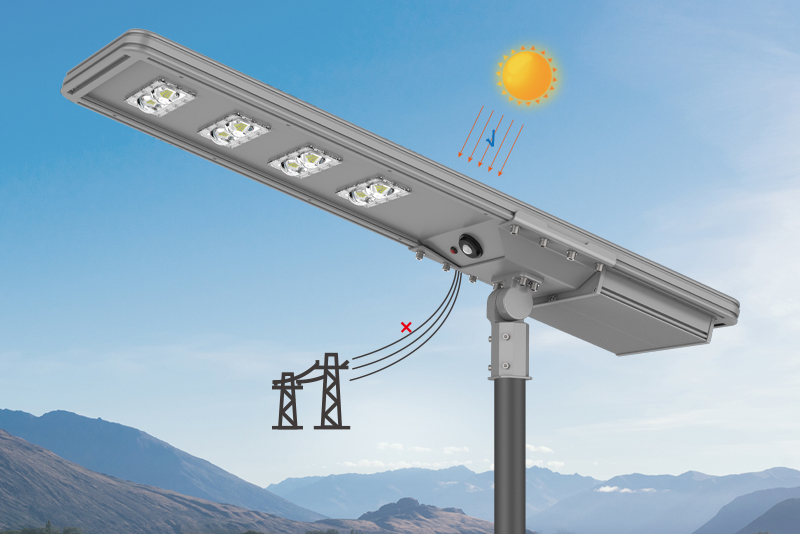
A grid-supplied solar street light is a dual-power lighting system combining solar power generation and conventional grid power. It aims to solve the problem of pure solar street lights potentially going out during prolonged periods of cloudy or rainy weather, while also being more energy-efficient than traditional grid-supplied lights.
The core of a grid-supplied solar street light lies in its intelligent controller, which is responsible for automatically switching between solar power and grid power.
During the day (charging phase):
Under sunlight, the solar panels convert light energy into electrical energy.
The controller stores this electrical energy in the battery.
The street light is off during this time, automatically stopping once fully charged.
At night (priority solar power):
When the controller detects a decrease in illuminance (darkness), the system automatically starts the lighting.
Priority logic: The system prioritizes using the battery's electrical energy to power the LED light source.
Grid power switching (complementary phase): The battery discharges to power the street light, achieving pure solar lighting.
Advantages: Grid-supplied solar street lights offer extremely high stability and reliability. Because of the backup power from the mains, the problem of "lights going out" after a week or even half a month of continuous cloudy or rainy days, which is a major drawback of purely solar streetlights, is completely solved. Regardless of the weather, a 100% lighting rate can be guaranteed.
Disadvantages: Higher maintenance costs; the system includes two power supply systems (solar system + mains system), potentially leading to more points of failure. Maintenance is required for both the solar panels and batteries, as well as the underground cable lines. Low-quality controllers may experience brief flickering during power switching (high-quality controllers can resolve this).