What is the relationship between the brightness and wattage of a solar light?
When planning a solar-powered LED street light project, a core question is: "How bright should the light be?" Many customers believe that power (watts, W) directly determines brightness, but for solar-powered street lights, this is only part of the answer. Solway analyzes the key factors behind brightness to help you make an informed choice.
Solar LED Streetlight Brightness Guide: Power, Lumens, and Efficiency Analysis
The brightness of solar-powered streetlights is related to their power output, but power is not the only determining factor. While the brightness of traditional lighting fixtures can be estimated using power, solar-powered outdoor lighting systems are more complex due to their use of efficient LED light sources and independent solar power supply systems.
1. Power (Watts) ≠ Brightness (Lumens): Understanding the Core Difference
Power represents energy consumption, while brightness is measured by luminous flux (unit: lumen, lm). The key to determining brightness is luminous efficacy (lumens per watt, lm/W), that is, how much light is produced per watt of electrical energy.
Advantages of High-Efficiency LEDs: Modern solar LED streetlights can achieve luminous efficacy of 80-200 lm/W. For example, a 30-watt Solway streetlight with a luminous efficacy of 120 lm/W has a brightness of 3600 lumens, far exceeding the lighting effect of traditional high-energy-consuming lamps.
Selection Insight: When comparing commercial solar streetlights, prioritize lumen output rather than just power. High-power lamps with low luminous efficacy may be both energy-intensive and dim.
2. How Does a Solar System Affect Actual Brightness?
The performance of a solar-powered system directly affects the stability and continuity of brightness.
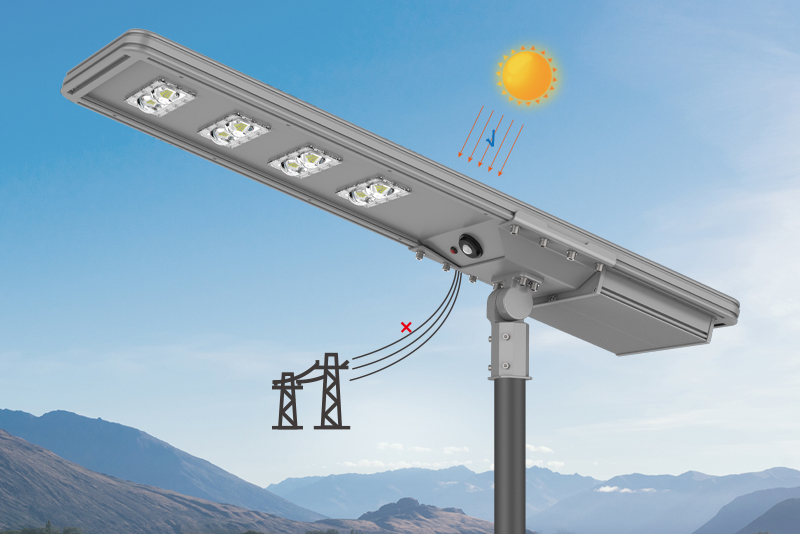
Solar Panels and Batteries: High-efficiency solar panels and sufficient-capacity batteries ensure ample energy storage during periods of strong sunlight, supporting the lights to operate at rated brightness for extended periods at night.
Weather and Environmental Adaptability: In prolonged periods of cloudy or rainy weather, or during winter, insufficient system configuration may lead to decreased brightness or shortened lighting time. Therefore, Solway configures redundant systems for customers based on the solar radiation data of the installation site to ensure the reliability of outdoor lighting.
3. Solway Power and Brightness Recommendations
Based on the application scenario, we offer the following solar street light configuration guidelines to balance efficiency and investment:
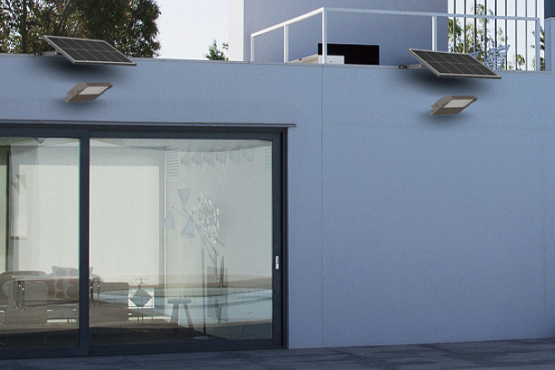
20-30 watts (approximately 2000-3600 lumens): Suitable for residential walkways, courtyards, and small area lighting. The system voltage is typically 12V, balancing energy saving and sufficient brightness.
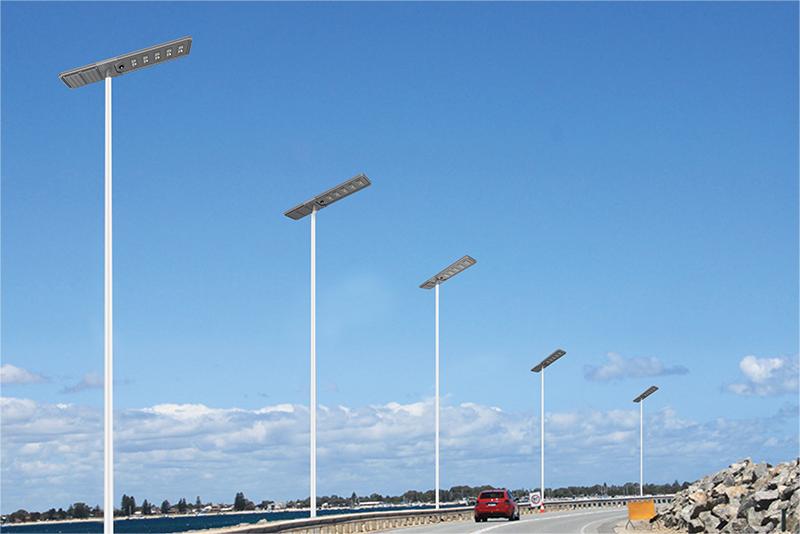
60 watts (approximately 7000+ lumens): A common high-power option for 12V systems, suitable for community roads, parking lots, and medium-sized area lighting, providing a wider lighting range.
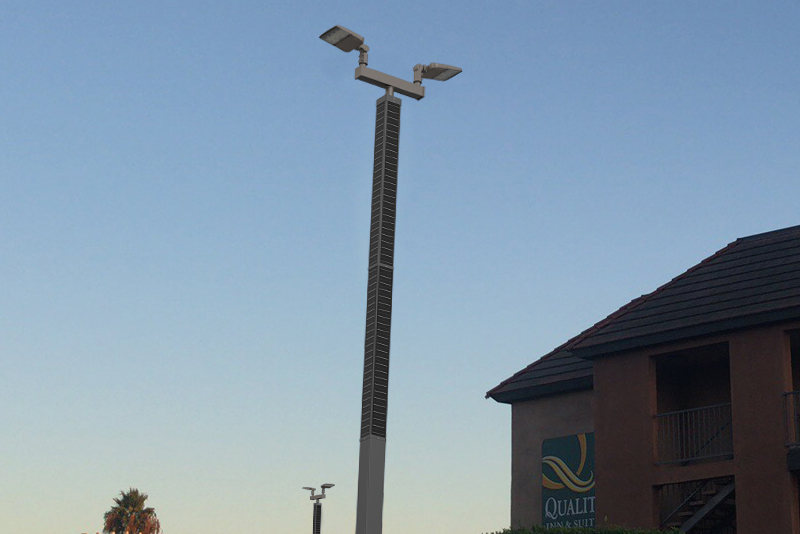
120 watts (approximately 14,000+ lumens): This is a high-end configuration for 24V systems, designed specifically for commercial street lighting, main roads, or large solar-powered parking lot lighting. While the initial investment is higher, it provides exceptional brightness and coverage.
4. Obtain More Comprehensive Information and Support
To ensure you get the most suitable solar lighting solution, we recommend:
Consult authoritative resources: You can refer to reports on LED lighting technology from the U.S. Department of Energy (DOE) or outdoor lighting standards published by the International Commission on Illumination (CIE) to gain a deeper understanding of the latest developments in luminous efficacy and lighting design.
Consult professional assessments: Visit the Solway website or contact our technical team to obtain customized solutions based on your specific geographical location, lighting needs, and budget. We offer free light simulation and configuration calculation services.
Refer to case studies: Our website showcases successful cases of solar-led street lights in different climate zones around the world, from winter lighting in Northern Europe to year-round applications in equatorial regions, providing you with practical references.
In conclusion, when selecting solar streetlights, please comprehensively consider the lumen output (brightness), system luminous efficacy, and the overall configuration of the solar power supply system. Power is fundamental, but brightness (lumens) and the system's environmental adaptability are the key factors determining the effectiveness of outdoor solar-powered lighting. Solway is committed to providing integrated solutions from high-efficiency LED light sources to intelligent charge and discharge management, ensuring your projects achieve stable, efficient, and economical lighting results wherever they are located.







 English




 Scan WhatsApp
 Scan Wechat
 Scan WhatsApp
 Scan Wechat
 Consult Now