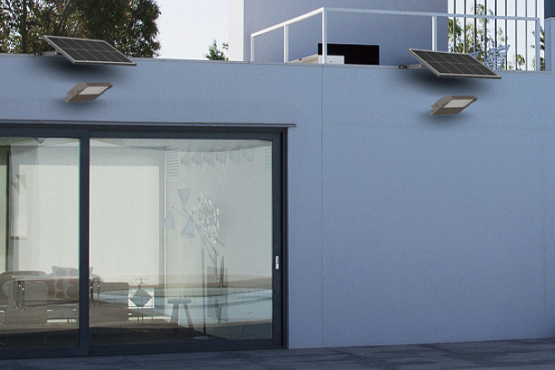

Vertical Solar PV Poles
Square Shape Vertical Solar PV Poles
Round shape vertical Solar PV poles
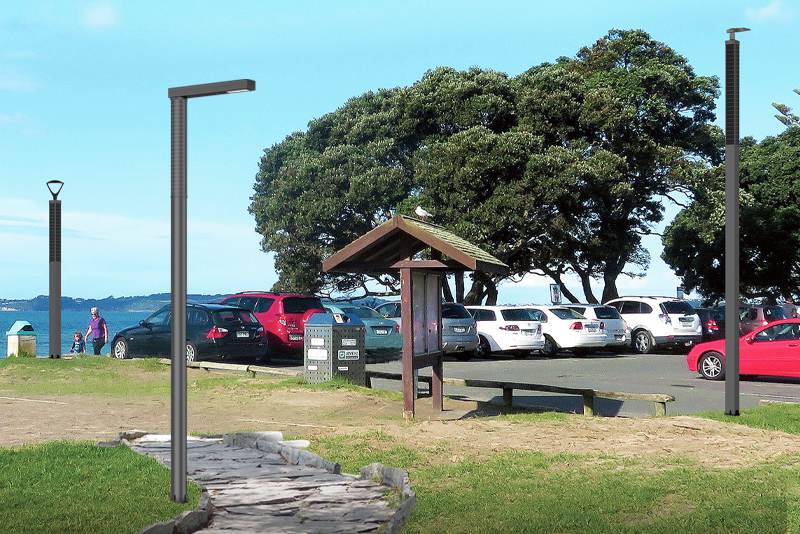
Solar Street Lights
16-20M Four-lane Road LED Solar Street Light
7-8M Two-lane Road LED Solar Street Light
3-5M Single Lane LED Solar Street Light
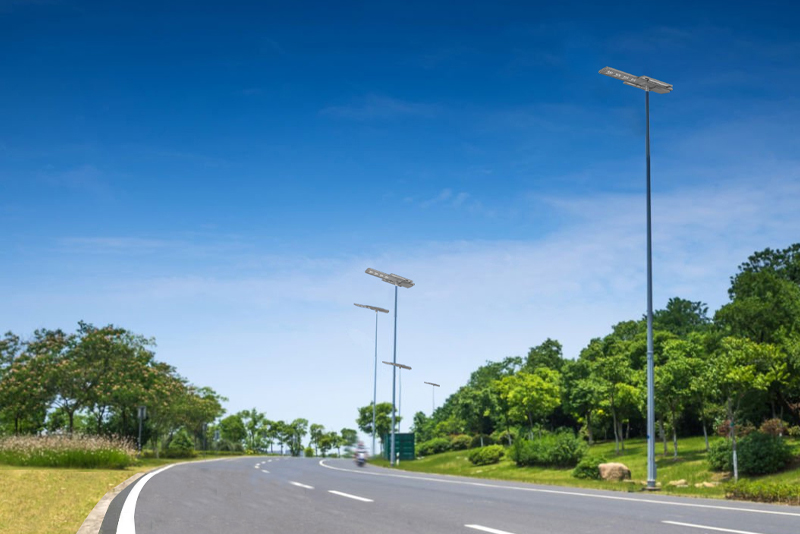
Solar Garden Lighting
Solar Garden/Landscape/Security Lighting Series
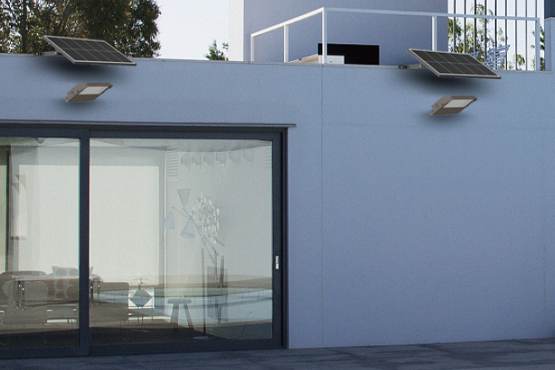
Solar Light Tower

Company Profile

Enterprise Style

Certification
Company Honor
Certified Product
Product Patent

SKD solution

Solar IoT Management System

Solar-Grid Power Hybrid Solution

Cambodia Factory

Vertical Solar PV Poles Case

Solar Street Lights Case

Solar Garden Lighting Case

Solar Light Tower Case
Time:2024-09-11 Views:
Solway solar streetlights are commonly available in heights of 6/8/10/12 meters. The installation spacing and the required number of solar streetlights vary depending on the height. Many clients inquire about the appropriate spacing for 6-meter-high all-in-one solar streetlights and 8-meter-high solar-powered streetlights. Solway's technical department frequently receives these questions, and this article will provide systematic answers.
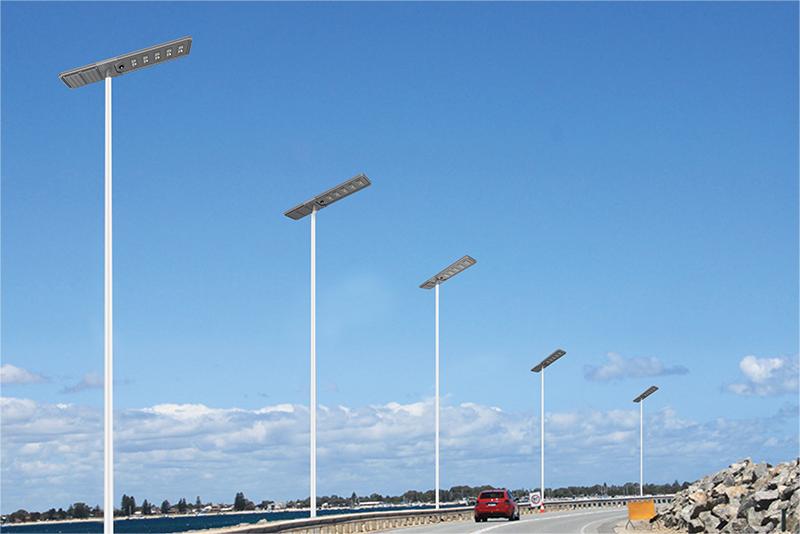
The appropriate spacing for all-in-one solar streetlights on roads depends on several factors, including the type of area (urban, suburban, or rural), streetlight height and luminous flux, required lighting levels, and specific lighting design requirements. Below are some general guidelines applicable to solar light outdoor projects:
Urban Areas: Spacing: Typically, solar energy streetlights are spaced 100 to 150 feet (30 to 45 meters) apart.
Important Considerations: In densely populated urban areas, commercial solar street lights can be spaced closer together to ensure pedestrian safety, provide adequate illumination, and reduce dark areas.
Suburban Areas: Spacing: In suburban areas, solar street lights are typically spaced 150 to 200 feet (45 to 60 meters) apart.
Important Considerations: Spacing can vary depending on road width and the presence of trees or other obstructions; this is equally important for the layout of solar parking lot lights.
Rural Areas:Spacing: In rural areas, solar-powered street lights are typically spaced 200 to 300 feet (60 to 90 meters) apart.
Important Considerations: Lower population density and less traffic flow may allow for larger spacing, but visibility and safety must be ensured.
Key Factors Affecting Spacing: Light output: Solar light outdoor fixtures with higher luminous flux can be spaced further apart, while those with lower luminous flux require smaller spacing.
Key Factors Affecting Spacing: Pole Height: Higher poles (e.g., 10-meter or 12-meter models) provide a wider illumination range, allowing for greater spacing, which is especially important for solar parking lot lights and wide roads.
Road Width: Wider roads may require a denser pole layout to ensure uniform illumination across the entire road surface.
Lighting Design Standards: Local regulations and standards may specify specific spacing requirements based on the intended use of the road (e.g., residential, commercial, or arterial).
Other Important Considerations: Smart Features: Integrated smart solar street lights may include sensors and adaptive lighting capabilities that dynamically adjust based on real-time data (e.g., traffic flow, pedestrian activity), influencing the design and spacing.
Aesthetics and Urban Design: The visual impact of solar street lights on the urban landscape can also influence their installation location and spacing.
Conclusion While the above general guidelines provide a starting point for the spacing of solway solar street lights, each project must undergo a detailed lighting design analysis, taking into account the specific conditions and requirements of the area, to determine the optimal spacing for all-in-one solar street lights. Consulting a professional lighting designer and strictly adhering to local standards will ensure that commercial solar street light projects achieve optimal lighting performance, energy efficiency, and safety.